
Sports streaming app development requires several steps. First, you must build low-latency live video infrastructure. You also need to secure content licensing rights. Additionally, you deliver features like multi-angle camera views and real-time match statistics. Building a market-ready platform costs between $50,000 and $500,000 or more. This range depends on whether it’s a basic minimum viable product or an enterprise system. It typically takes four to twelve months to build.
The global sports streaming market was worth about $33.9 billion in 2026. Industry reports project it will exceed $68 billion by 2030. This represents a 12.6% compound annual growth rate (CAGR). This expansion shows a major shift in fan behavior. Fans are moving from cable bundles to direct-to-consumer digital channels. Therefore, designing a scalable video platform is challenging. You must solve complex engineering problems. These include peak bandwidth, server auto-scaling, and stream latency. You also need to protect rights across many regions.
Why invest in sports streaming app development?
Consumers across all demographics are turning to mobile apps and connected TV (CTV) platforms to watch live sporting events. Traditional television broadcasts lack interactivity, restrict viewing to fixed home schedules, and offer limited customization. Direct-to-consumer streaming apps solve these limitations by providing direct access to match streams, personalized player tracking, customizable commentary tracks, and instant statistical overlays.
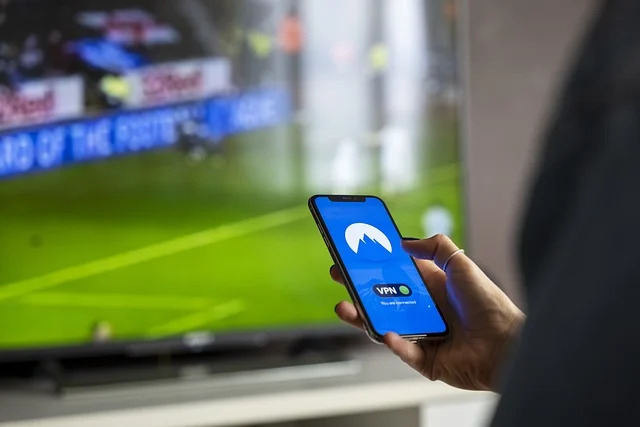
Niche sports leagues, regional tournament organizers, and digital media brands benefit directly from custom platform creation. While global broadcasting networks compete for high-cost rights to major sports leagues, specialized streaming platforms can capture dedicated fan bases around regional soccer, combat sports, esports, college athletics, or motorsport circuits. Direct fan engagement creates predictable recurring subscription revenue and direct access to audience analytics.
Building a custom application gives platform operators full control. For example, you control branding and pricing models. You also manage user registration data and advertising display logic. Strategic software investments help businesses grow into custom mobile ecosystems. Lessons from logistics App Development apply here. These high-throughput environments handle heavy stream routing. Similarly, estimating technical overhead uses principles from e-learning mobile app development. Media distribution and user tracking must operate in real time.
Essential features for a competitive sports streaming app
A successful sports streaming application must balance core video delivery functions with interactive fan engagement tools. Basic playback is no longer sufficient to keep viewers retained during live broadcasts.
Core platform features
- Live video streaming: This feature includes a high-definition video player. It supports adaptive bitrate streaming (ABR). This automatically adjusts video quality based on the user’s internet speed.
- User authentication and profile management: Secure account creation, subscription management, favorite team selection, and viewing history tracking.
- Interactive schedule and scoreboard: Real-time match fixtures, live score tracking, team standings, and event calendars.
- Push notifications: Automated alerts for kickoff times, score changes, red cards, key plays, and breaking team news.
- Video on Demand (VOD) library: Structured archives for full match replays, highlight reels, team interviews, and documentary content.
Advanced fan engagement features
- Multi-angle camera switching: Allows viewers to choose between stadium cameras, tactical feeds, drone coverage, or dedicated player tracking streams.
- Real-time statistics overlay: On-screen statistical widgets show live data. For example, they display possession percentages and player tracking data. They also show pass completion rates and shot charts. Importantly, these do not obscure the live stream.
- In-app chat and social feeds: Moderated live chat rooms, reaction buttons, and community discussion boards active during broadcast events.
- Interactive fan polls and trivia: Live voting and quiz prompts integrated into the broadcast window to boost active engagement.
- Condensed games and automated highlights: AI-driven post-match edits condense a 90-minute game. They create a 10-minute recap. Also, they focus exclusively on key events.
- Digital Rights Management (DRM): Encrypted stream protection preventing unauthorized recording, screen capturing, or stream redistribution.
What technology stack is required for sports video streaming?
Building a scalable sports streaming app requires careful selection. First, choose backend services. Next, select media processing pipelines. You also need content delivery networks (CDNs). Finally, pick client-side video frameworks. These must deliver low-latency video to thousands of concurrent viewers.

Cloud infrastructure and media processing
High-definition live video feeds need quick processing. You must ingest, encode, and transcode them dynamically. Then, you distribute them in milliseconds. AWS Elemental MediaLive and AWS Elemental MediaPackage are standard cloud tools. They process live video. They convert raw video inputs into adaptive protocols. These include HLS (HTTP Live Streaming) or MPEG-DASH. Google Cloud Video Intelligence and Cloud CDN offer alternative infrastructure setups.
Low-latency streaming protocols
- HLS (HTTP Live Streaming): Standard protocol developed by Apple. Standard HLS introduces 15–30 seconds of latency. Low-Latency HLS (LL-HLS) reduces latency to 2–5 seconds, making it ideal for live sports where live chat or score alerts occur.
- MPEG-DASH: Industry-standard open protocol used across Android and Smart TV platforms. Low-Latency DASH (LL-DASH) achieves glass-to-glass latency under 3 seconds.
- WebRTC: Delivers ultra-low sub-second latency (under 500 milliseconds). Highly effective for interactive fan experiences, live sports betting feeds, and real-time multi-user audio, though it requires higher server costs at massive audience scale.
- SRT (Secure Reliable Transport): Open-source video transport protocol designed to deliver secure, low-latency video over unpredictable public networks during live stadium contribution feeds.
Content Delivery Networks (CDNs)
A single media server cannot serve video to thousands of simultaneous viewers. Content delivery networks cache video segments at edge servers located physically close to end users. Global platforms combine top-tier CDN providers such as Cloudflare, Akamai, or Fastly to guarantee smooth edge media delivery even during unexpected traffic spikes during final matches or penalty shootouts.
Video player SDKs and DRM integration
Custom video players must handle several tasks. They manage codec switching. Also, they retrieve DRM keys. Players insert dynamic ads. In addition, they provide analytics telemetry on mobile and smart TV client applications.
- iOS / tvOS: Custom AVPlayer implementation with native Apple FairPlay DRM integration.
- Android / Android TV: Google ExoPlayer (Media3) integrated with Google Widevine Modular DRM.
- Web Browsers: You can use Video.js, Shaka Player, or Bitmovin SDK. These support Widevine, FairPlay, and Microsoft PlayReady DRM. Because of Encrypted Media Extensions (EME), they work well.
Step-by-step process for sports streaming app development
Creating a production-ready sports streaming platform follows a structured seven-stage engineering lifecycle. Skipping technical validation steps often leads to system failure under high live audience concurrency.
- Discovery and business planning: Define your target audience demographics. Also, scope your broadcast rights. Plan your regional distribution strategy. Identify target platforms such as iOS, Android, Web, Roku, and Fire TV. Finally, determine your monetization model and budget allocations.
- Architecture and UI/UX design: Create detailed wireframes, user journeys, and screen layouts customized for video viewing. Design intuitive video player controls, full-screen statistics overlays, picture-in-picture modes, and navigation for live action.
- Backend and streaming pipeline engineering: Deploy cloud media encoders. Configure CDN distribution layers. Implement DRM key servers. Design database schemas for user accounts. Also, establish microservices for real-time statistical data ingestion.
- Frontend client application development: Build native mobile apps or cross-platform codebases. Integrate video player SDKs, implement socket-based live chat, connect payment gateways for subscriptions or pay-per-view access, and optimize background caching.
- Rigorous quality assurance and load testing: Perform automated testing across various hardware screen sizes and OS versions. Conduct load testing that simulates tens of thousands of concurrent users connecting simultaneously to verify server auto-scaling and CDN stream stability under peak conditions.
- Platform deployment and app store submission: You can now deploy production cloud infrastructure. Also, complete store compliance checklists for Apple App Store and Google Play Store. Next, configure push notification channels. Finally, activate production media pipelines.
- Post-launch maintenance, analytics, and optimization: Continuously monitor real-time video health telemetry (buffer rates, frame drops, time-to-first-frame), update client applications for new OS releases, scale cloud instances, and implement user feedback features.
How much does sports streaming app development cost?
The cost to build a sports streaming app varies significantly based on project scope, target platforms, stream latency requirements, interactive feature complexity, and developer geographic locations.

Development cost tiers
- Basic MVP ($50,000 – $100,000): This focuses on a single-platform mobile launch. It supports either iOS or Android. You get standard HLS live streaming and user login. It also includes push notifications, a basic VOD video library, and subscription payment integration.
- Mid-Range Platform ($100,000 – $250,000): Covers dual mobile platforms (iOS and Android), web portal, low-latency streaming (LL-HLS), DRM stream encryption, multi-angle view options, live chat, real-time match stats, and pay-per-view payment flows.
- Advanced Enterprise Platform ($250,000 – $500,000+): Includes iOS, Android, Smart TV apps (Apple TV, Android TV, Fire TV, Roku), sub-second WebRTC streaming, AI-driven hyper-personalization, multi-language audio commentary switching, dynamic ad insertion (SSAI), and automated highlight extraction.
Hourly engineering rates by region
- North America: $120 – $220 per hour
- Western Europe: $80 – $160 per hour
- Eastern Europe: $40 – $90 per hour
- South Asia / India: $30 – $60 per hour
Ongoing operational expenses
Development represents only part of the financial investment. Operating a live sports video platform incurs ongoing infrastructure expenses:
- Content licensing rights: Can range from thousands of dollars for regional events to millions for premium leagues.
- CDN streaming bandwidth: Charged per gigabyte streamed. Streaming 1080p video at 4 Mbps consumes approximately 1.8 GB per user per hour.
- Cloud media processing: Ingestion and live transcoding costs incurred per live event hour.
- DRM licensing fees: Monthly base fees plus per-license delivery charges.
Comparison: App complexity versus estimated development cost
| App Complexity Level | Key Features Included | Estimated Development Cost Range (USD) |
|---|---|---|
| Basic MVP | Live standard streaming, user profiles, basic content library, push notifications | $50,000 – $100,000 |
| Mid-Range | Dual platforms, multi-angle views, in-app chat, basic analytics, DRM, VOD library, LL-HLS | $100,000 – $250,000 |
| Advanced/Enterprise | Multi-platform (Mobile + Smart TV), AI personalization, betting/odds integration, SSAI ads, WebRTC ultra-low latency, global multi-CDN | $250,000 – $500,000+ |
How do sports streaming platforms make money?
Generating reliable returns requires matching monetization models to fan habits and content rights structures. Successful platforms often combine multiple revenue streams.
- Subscription Video on Demand (SVOD): Monthly or annual subscription fees granting unlimited access to live broadcasts and VOD archives. SVOD provides predictable monthly recurring revenue.
- Pay-Per-View (PPV / TVOD): Charging users a one-time fee to access a specific high-profile event, such as a championship fight or playoff match. PPV captures immediate revenue from casual viewers.
- Ad-Supported Video on Demand (AVOD): Free access supported by video advertising. Utilizing Server-Side Ad Insertion (SSAI) stitches video ads smoothly into live streams, bypassing client-side ad blockers.
- Freemium Tier: Basic access to scoreboards, match summaries, and select low-tier games for free, with premium matches locked behind an upgrade paywall.
- In-App E-Commerce and Ticketing: Merchandising integrations let fans buy official team apparel. They can also purchase digital collectibles or physical game tickets. All these purchases happen directly inside the app interface.
How to handle legal regulations and content licensing
Content rights acquisition and regulatory compliance represent significant non-technical hurdles in live sports broadcasting. Operating a streaming app without verified licensing leads to severe legal penalties and instant platform shutdown.

Broadcast rights acquisition
Sports rights are split geographically and distributed through non-exclusive or exclusive territorial licenses. Negotiating with sports leagues or sports management agencies requires establishing strict geo-blocking technical systems. Your app must use IP geolocation and tokenized URL validation to restrict playback strictly to licensed jurisdictions.
Digital Rights Management and anti-piracy
Premium rightsholders strictly mandate DRM protection before granting stream access. Industry-standard DRM systems encrypt video segments using AES-128 algorithms:
- Apple FairPlay: Required for HLS playback across iOS, iPadOS, macOS, and Apple TV.
- Google Widevine Modular: Required for Android devices, Android TV, and Chrome-based web browsers.
- Microsoft PlayReady: Standard protection across Windows platforms, Xbox, and legacy smart TVs.
In addition to DRM, enterprise applications deploy forensic watermarking, embedding invisible user-specific identifiers into the video stream to trace illegal restreamers instantly.
User data protection and privacy compliance
You must fully comply with global regulations when handling registration data, billing information, and location tracking. For example, these include the European General Data Protection Regulation (GDPR) and the California Consumer Privacy Act (CCPA). Secure data handling guidelines match standards established across specialized mobile app frameworks.
Personalization and AI features in modern sports streaming
Integrating Artificial Intelligence (AI) and Machine Learning (ML) transforms passive video players into adaptive engagement platforms. Modern sports viewers expect personalized content streams tailored specifically to their team preferences and viewing habits.
- Hyper-personalized content feeds: ML algorithms track user viewing histories. They also track favorite teams and match interactions. As a result, they present personalized home dashboards. These dashboards feature relevant match highlights and pre-game summaries.
- Automated match highlight generation: Computer vision and audio pitch recognition algorithms analyze live game feeds. They detect goal celebrations, crowd noise spikes, or key match actions. So, they instantly generate auto-edited highlight reels. This happens minutes after play stops.
- Real-time predictive analytics: AI engines combine live match data feeds with historical performance metrics to compute win probabilities, player stamina indicators, and tactical heatmaps overlaying the live broadcast.
- Multi-language commentary and automated subtitles: AI speech processing enables instant multi-language audio dubbing and closed-caption generation for global fan audiences.
Trade-offs: Native vs cross-platform development
Selecting between native app development (Swift for iOS, Kotlin for Android) and cross-platform frameworks (React Native, Flutter) involves clear trade-offs between performance and speed to market.
Native development
- Pros: Superior video rendering performance, direct access to low-level hardware decoding APIs, zero overhead when rendering complex canvas overlays or 60fps graphic animations, smooth multi-window and picture-in-picture capabilities.
- Cons: Requires separate engineering teams for iOS and Android, double the code maintenance cost, longer initial development schedules.
Cross-platform development
- Pros: Shared codebase reduces upfront engineering costs by 30–40%, faster feature deployment across both iOS and Android simultaneously.
- Cons: Bridge overhead when interfacing with native player SDKs or custom video decoders, potential frame drops during complex UI animations over full-screen video, limited native Smart TV framework support.
For high-end sports applications demanding low-latency 60fps video and real-time interactive overlays, native development remains the recommended path. For niche sports leagues launching an MVP on a restricted budget, cross-platform frameworks provide a viable entry option.
Who is a sports streaming app NOT suitable for?
Building a custom sports streaming application is a capital-intensive project that is not appropriate for every sports organization or content creator.

- Small local sports clubs with zero broadcast rights budget: Licensing content or producing multi-camera live feeds requires significant ongoing capital. Clubs without established rights ownership or production hardware are better off utilizing public streaming channels like YouTube Live or Twitch.
- Organizations seeking instant turn-key deployment in under two weeks: Custom software engineering takes time. DRM integration and app store approval also require months. These processes involve structured work. However, off-the-shelf white-label platforms offer a faster solution. Use them if you do not need custom features.
- Entities lacking media production pipelines: Developing an app provides no value if the live camera feed, local internet connection at the venue, and field production quality are poor. Stream delivery quality depends directly on raw video contribution quality.
Common mistakes to avoid during sports streaming app development
Avoiding critical mistakes during technical planning saves substantial capital and protects platform reputation.

- Underestimating CDN egress bandwidth costs: Failing to model data traffic charges leads to massive unexpected cloud bills when audience size scales rapidly during major sporting tournaments.
- Neglecting low-latency stream architecture: Delivering streams with 30-second delays causes fans to receive goal notifications on social media before seeing the action on screen, destroying viewer experience.
- Ignoring capacity stress testing before major events: Launching a platform without load testing thousands of simultaneous user authentication requests causes backend database failure right at match kickoff.
- Treating DRM security as an afterthought: Adding DRM encryption post-launch requires restructuring backend media ingestion and client player logic from scratch.
- Cluttering the live viewing interface: Overloading screen space with intrusive ads, noisy chat windows, and excessive stats widgets distracts from the core broadcast action.
To explore related software engineering economics and specialized digital platform investments, review detailed financial breakdowns in specialized software sectors such as specialized dedicated platform investments and sports app development pricing at App Development. Designing financial mechanisms for user payments and digital wallets draws directly from architecture patterns found in modern financial systems; see key considerations in digital payments at App Development. Organizations introducing interactive gaming or betting companion features should carefully calculate licensing and software expenses, detailed in resources on direct integrations like sports betting and budgeting models for digital transformation found in software cost planning frameworks like development.
Sources: Kayo Sports
Frequently asked questions
What is the typical timeline for sports streaming app development?
A basic minimum viable product (MVP) sports streaming app takes four to six months to design, build, and test. Complex multi-platform apps with low-latency streaming, DRM encryption, and Smart TV support take eight to twelve months or longer.
What are the biggest technical challenges in sports streaming app development?
The main challenges are minimizing video latency to prevent broadcast delay, handling sudden traffic spikes at match kickoff, ensuring DRM encryption across multiple device platforms, and maintaining consistent HD playback over fluctuating mobile network conditions.
How can a sports streaming app ensure sub-second video latency?
Achieving sub-second latency requires implementing WebRTC or Low-Latency HLS (LL-HLS) protocols, using hardware-accelerated video encoders, optimizing video chunk sizes, and deploying edge servers located physically near target viewing audiences.
Is it better to build a native or cross-platform sports streaming app?
Native development using Swift and Kotlin provides superior video rendering, smoother 60fps playback, and native DRM integration. Cross-platform frameworks like React Native or Flutter lower initial development costs but can introduce performance trade-offs during complex live video playback.
What ongoing operational costs occur after launching a sports streaming app?
Post-launch operational costs include content licensing rights, CDN video bandwidth egress fees, cloud server hosting, DRM per-license delivery fees, ongoing app maintenance updates, and platform security patches.