
Hidden costs, including ongoing maintenance, marketing, hosting, and third-party API subscriptions, can add 15-20% of the initial development cost annually. The choice of development model—in-house, freelance, or agency—also significantly impacts the overall cost.
This article explores these core components, hidden expenses, and development models to help brands make strategic, value-driven investment decisions for their fashion app.
Beyond the Sticker Price: Unpacking True Fashion App Investment in 2026
The global fashion e-commerce market continues its rapid ascent. Statista (2026) projects that mobile commerce will account for a significant portion of online retail. Therefore, a dedicated fashion app is an increasingly vital channel. However, focusing only on the development cost is a critical misstep. You must also consider the broader investment ecosystem.
Your fashion ecommerce mobile app is a strategic asset. It is not just a digital storefront. Its true value is not in the cheapest build. Value comes from its ability to drive engagement. It also enhances brand loyalty. Ultimately, it converts sales. This happens in a highly visual industry. Consider the fashion app development cost for a robust tool.
Fashion Ecommerce Mobile App Development Cost: Core Components
The overall cost of building a fashion app is an aggregate of several key components, each with its own complexity and associated expense. Understanding these elements is the first step toward effective budgeting.

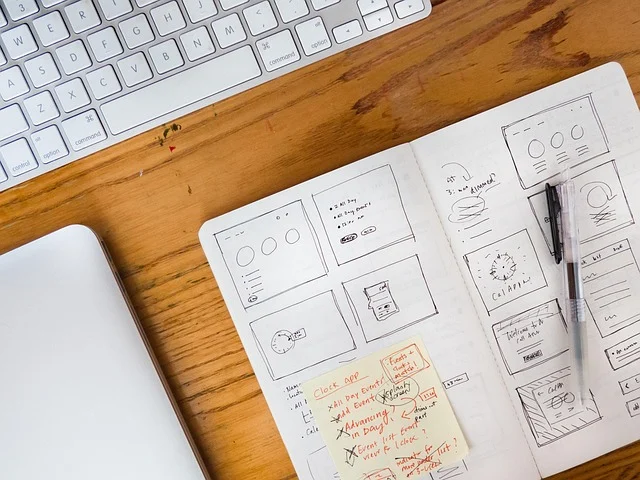
UI/UX Design: The Visual & Experiential Core
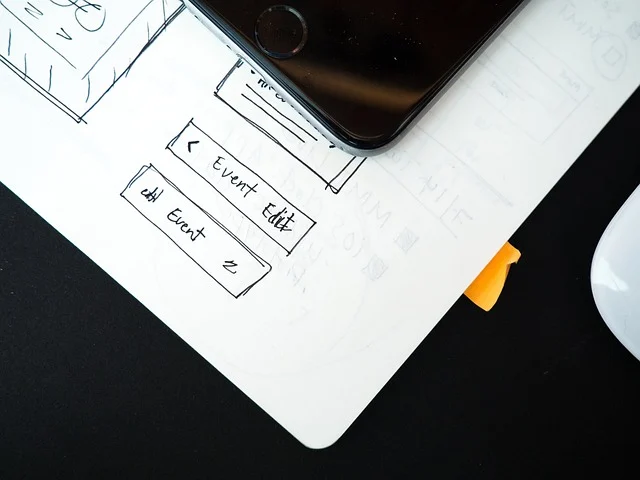
In fashion, aesthetics and user experience are paramount. High-quality UI/UX design isn’t just about good looks. It crafts an intuitive, engaging journey. This reflects your brand and encourages purchases. It includes wireframing, prototyping, visual design, and user testing. A bespoke, trend-forward design costs more. Custom animations also increase fashion app development cost. Template-based approaches are cheaper.
Frontend Development: Bringing Design to Life
This phase builds the interactive interface from approved UI/UX designs. Native (iOS, Android) versus cross-platform (React Native, Flutter) development impacts the fashion app development cost. Native offers better performance and device features. However, it needs separate codebases, often doubling frontend work. Cross-platform frameworks reduce initial costs with a single codebase. But they might compromise intricate UI or specific hardware integrations.
Backend Development: The Invisible Engine
The backend is the server-side logic that powers your app, managing user accounts, product catalogs, inventory, orders, payment processing, and analytics. This involves database architecture, API development, and server setup. Complex integrations with existing ERP systems, CRM, or third-party logistics providers add to this cost. Services like Firebase or AWS can offer scalable solutions but require expert configuration.
API Integrations: Expanding Functionality
Modern fashion apps rarely operate in isolation. They integrate with various third-party services like payment gateways (Stripe, PayPal), shipping providers (DHL, FedEx), analytics tools (Google Analytics, Mixpanel), and social media platforms. Each integration requires development effort and may incur ongoing subscription fees.
Technology Stack Comparison: Native vs. Cross-Platform vs. Web Builders
Choosing the right architecture directly influences your upfront budget, execution speed, and long-term scaling overhead. Fashion apps rely heavily on visual rendering and fast image caching, making technical framework selection critical.
| Architecture | Upfront Cost | Development Time | Performance & Visual FX | Best Suited For |
|---|---|---|---|---|
| Native (Swift / Kotlin) | High ($120,000 – $250,000+) | 6 – 12 Months | Maximum (60 FPS animations, smooth AR) | Established brands requiring premium UX and high scaling. |
| Cross-Platform (React Native / Flutter) | Medium ($50,000 – $120,000) | 3 – 6 Months | Near-Native (Excellent for 90% of fashion UI) | Growing apparel brands seeking unified iOS & Android launch. |
| App Builders (Shopify/SaaS Connectors) | Low ($5,000 – $15,000) | 2 – 4 Weeks | Basic / Template-bound | Boutiques validating mobile demand on tight budgets. |
The Hidden Costs: What Most Budget Planners Miss
The initial development cost is just one piece of the puzzle.
App Maintenance & Updates
Operating systems (iOS, Android) regularly release updates. Your app needs continuous maintenance to ensure compatibility, security, and optimal performance. Bug fixes, performance enhancements, and minor feature updates are essential for long-term viability and user satisfaction. Neglecting this leads to technical debt and a rapidly outdated application.
Server & Hosting Costs
Strong server infrastructure is essential for your app. It stores high-resolution lookbooks. It manages user traffic spikes during seasonal drops. Plus, it ensures fast load times. Cloud services like AWS, Google Cloud, or Azure incur monthly costs. These costs scale with your user base. They also scale with image asset volume. Consider this when calculating fashion app development cost.
Marketing & User Acquisition
Building a great app is only half the battle; people need to know it exists. App Store Optimization (ASO), paid user acquisition campaigns, influencer marketing, and ongoing promotional efforts are critical for driving downloads and engagement. This budget often equals or exceeds the development cost in the first year.
Licenses & Third-Party Subscriptions
Many SDKs, APIs, and specialized tools used in app development come with licensing fees or recurring subscriptions. This could include premium fonts, search algorithms (e.g., Algolia), design assets, analytics platforms, or visual search tools.
Development Models & Their Cost Implications
The choice of who builds your app significantly impacts the fashion Ecommerce Mobile App Development cost. Each model presents a different balance of control, cost, and expertise.

In-House Team
Hiring an internal team gives you maximum control. You also gain a deep understanding of your brand’s vision. However, it involves significant overhead. This includes salaries, benefits, office space, and recruitment. This model is often the most expensive. Yet, large enterprises with continuous app development needs may justify it.
Freelancers
Freelancers can be cost-effective for smaller projects or specific tasks. Platforms like Upwork or Fiverr offer access to a global talent pool. The challenge lies in project management, quality control, and coordinating multiple freelancers for different aspects (design, frontend, backend, QA).
App Development Agencies
Agencies provide full-service solutions. They bring cohesive teams of designers, developers, QA specialists, and project managers. Agencies offer expertise, structured processes, and accountability. Hourly rates may be higher than freelancers. However, efficiency and quality reduce management overhead. This leads to a more predictable and often lower overall fashion app development cost. Agencies can be onshore, nearshore, or offshore.
Onshore vs. Offshore vs. Nearshore: The True Cost Debate
Offshore teams offer lower hourly rates. Asia or Eastern Europe teams appeal. Yet, low rates mask hidden costs. The editorial team has helped startups and brands with digital ventures. Communication overhead is often significant. Time zone differences and cultural misunderstandings arise. These factors extend timelines. They need more project management. Ultimately, they escalate the fashion app development cost. Rework or missed deadlines are costly. Nearshore teams balance this better. Latin American teams suit North American clients. They provide competitive rates. They also align time zones and culture.
Worked Examples: Realistic Hours and Budget Allocation
You can ground these numbers in real operational scenarios. Consider how project hours and costs are typically distributed. This distribution uses a mid-range rate of $50 per hour across standard development roles.
Scenario A: $50,000 Cross-Platform Fashion MVP (1,000 Hours Total)
- UI/UX Design (150 Hours @ $50/hr = $7,500): Core wireframes, brand style guide, design system, and key checkout screen prototypes.
- Frontend Development (350 Hours @ $50/hr = $17,500): React Native codebase powering home feed, catalog grids, filter drawers, product detail pages, and shopping bag.
- Backend & Database Architecture (250 Hours @ $50/hr = $12,500): API integrations for catalog, user authentication, inventory tracking, and payment processing.
- Quality Assurance & Device Testing (125 Hours @ $50/hr = $6,250): Cross-device visual regression, checkout testing, and security checks.
- Project Management & DevOps (125 Hours @ $50/hr = $6,250): Sprint planning, cloud server configuration, and app store deployment.
Scenario B: $120,000 Custom Mid-Range Fashion App (2,400 Hours Total)
- UI/UX Design (350 Hours @ $50/hr = $17,500): Custom micro-interactions, animated lookbooks, personalized dashboard layouts, and usability testing.
- Frontend Development (900 Hours @ $50/hr = $45,000): Enhanced filtering, wishlist sync, dynamic search bars, push notification handles, and multi-currency interfaces.
- Backend & Integrations (600 Hours @ $50/hr = $30,000): Custom recommendation engines, ERP inventory sync, loyalty program logic, and CRM connection.
- QA, Performance Optimization & Automated Testing (300 Hours @ $50/hr = $15,000): Automated end-to-end regression scripts, load testing for sales events, and accessibility compliance.
- Project Management & Architecture (250 Hours @ $50/hr = $12,500): Agile orchestration, CI/CD pipeline establishment, and store compliance management.
Strategic Feature Prioritization: Where to Invest for Impact
Not all features are created equal. This is especially true when you consider fashion app development cost. Therefore, prioritize features based on core business value. Also, focus on user needs. This is critical for optimizing your budget and maximizing ROI.
Minimum Viable Product (MVP)
Starting with an MVP focuses on core functionality: user registration, product browsing, cart, and checkout. Fashion Ecommerce Mobile App Development Cost allows you to launch quickly, gather user feedback, and iterate. An MVP for a fashion app might cost between $30,000 and $60,000.
Essential Fashion-Specific Features
Beyond the basics, certain features are almost non-negotiable for a modern fashion app:
- High-Quality Visuals & Video Integration: Essential for showcasing products in motion and high resolution.
- Personalized Recommendations: AI-driven engines that suggest items based on browsing history and purchases.
- User Profiles & Wishlists: Encourages repeat visits and saves potential purchases for later.
- Secure Payment Gateways: Multiple options (Apple Pay, Google Pay, Buy Now Pay Later) for smooth transactions.
- Push Notifications: For promotions, drop alerts, order updates, and abandoned cart reminders.
- Social Sharing & Reviews: Harnessing user-generated content for social proof and virality.
Advanced Features for Competitive Edge
These features elevate the user experience but significantly increase the fashion ecommerce mobile app development cost:
- Augmented Reality (AR) Try-On: Allowing users to virtually try on shoes, eyewear, or accessories via device cameras.
- AI-Powered Styling & Sizing Guides: Reducing high return rates by predicting fit accurately.
- Image Search/Visual Search: Finding products in your store based on photos uploaded by users.
- Live Shopping & Influencer Integration: Interactive commerce experiences with real-time checkout during live streams.
- Multi-Vendor Marketplace: Hosting multiple independent apparel brands within a single infrastructure.
Who Custom Fashion App Development Is (and Isn’t) For
Investing tens or hundreds of thousands of dollars in a custom mobile app is a business decision. This decision fits specific growth stages.
Who It Is For
- Direct-to-Consumer (DTC) Apparel Brands with Repeat Buying Loops: These brands have strong customer loyalty. They also have frequent seasonal collection drops and active social media communities. As a result, they derive high lifetime value (LTV) from push engagement.
- Mid-Market & Enterprise Retailers: Companies needing direct integration with complex warehouse ERPs, custom omnichannel loyalty programs, and localized international stores.
- Niche Brands Offering Novel UX: These businesses rely on interactive visual tools. Their primary value proposition comes from features like AR customizers, AI personal styling, or virtual fitting rooms.
Who It Is NOT For
- Early-Stage Dropshipping Outlets: Businesses focused on low-margin commodity products should rely on standard web stores. They can also use simple SaaS web-to-app converters. Use these until you prove product-market fit.
- Single-Product or Ultra-Low Inventory Boutique Outlets: Customers purchase only once or twice a year. Therefore, the friction of downloading a native app will result in high user acquisition costs. These costs rarely pay back.
- Businesses with Budgets Under $15,000: You might attempt to build a fully custom native or cross-platform mobile app on a shoestring budget. However, this almost always leads to unfinished code. It can also cause security flaws or poor UI performance.
A Phased Approach to Fashion App Development: Minimizing Risk, Maximizing Value
A structured, phased approach helps manage the fashion app development cost and ensures a smoother process. This iterative methodology allows for adjustments and feedback incorporation at each stage.
- Discovery & Strategy (2-4 weeks): Define project scope, target audience, features, and technology stack. This phase involves market research, competitive analysis, and detailed requirement gathering.
- UI/UX Design (4-8 weeks): You will create wireframes, mockups, and interactive prototypes. Focus on user flow. Also ensure brand consistency and visual appeal. You may incorporate user testing here.
- Development (12-24+ weeks): This is the most labor-intensive phase, involving frontend, backend, and API integrations. It’s often broken into sprints for agile delivery.
- Quality Assurance & Testing (4-8 weeks): We perform rigorous testing. This identifies and fixes bugs. Also, it ensures performance, security, and compatibility across devices and operating systems.
- Deployment & Launch (1-2 weeks): First, we submit the app to app stores. These include the Apple App Store and Google Play Store. Next, we configure servers. Finally, we prepare for public release.
- Post-Launch Support & Maintenance (Ongoing): Continuous monitoring, bug fixing, updates, and feature enhancements based on user feedback and market trends.
Real-World Cost Scenarios for Fashion Ecommerce Apps
To provide a clearer picture of fashion ecommerce mobile app development cost, here are some typical scenarios:

- Basic Fashion MVP App ($30,000 – $60,000): Core features like user profiles, product catalog, search, basic cart, and payment gateway. Cross-platform development is often chosen for cost efficiency.
- Mid-Range Fashion App ($80,000 – $180,000): Includes MVP features plus personalized recommendations, social sharing, wishlists, push notifications, and advanced filtering. May involve native elements for specific features.
- Complex, Feature-Rich Fashion App ($250,000+): This app incorporates advanced AI/AR features. For example, it offers virtual try-on and smart sizing. It also supports live shopping and multi-vendor capabilities. Furthermore, it provides strong analytics and deep integration with CRM/ERP systems. Often, it requires native development for optimal performance and a complex custom backend.
| Feature Set | Typical Cost Range (USD, 2026) | Key Characteristics |
|---|---|---|
| Basic MVP | $30,000 – $60,000 | User login, product display, cart, checkout, single payment gateway. |
| Mid-Range | $80,000 – $180,000 | MVP + user profiles, wishlists, recommendations, ratings, push notifications, multiple payment options. |
| Advanced/Complex | $250,000+ | Mid-range + AR try-on, AI styling, visual search, live commerce, multi-vendor, deep ERP integration. |
Pros and Cons of Custom Fashion App Development
While templated solutions exist, custom development offers distinct advantages and challenges for fashion brands.

Pros
- Unique Brand Identity: Tailored design and features that perfectly align with your brand’s aesthetic and values.
- Scalability: Built to grow with your business, accommodating increasing users and new functionalities without limitations.
- Competitive Edge: Ability to integrate innovative, fashion-specific features like AR or AI that differentiate you.
- Optimal Performance: Optimized for speed and responsiveness, leading to a superior user experience.
- Full Control & Ownership: Complete control over data, intellectual property, and future development direction.
Cons
- Higher Initial Investment: Custom builds inherently cost more upfront than off-the-shelf solutions.
- Longer Development Time: The bespoke nature requires more time for design, development, and testing.
- Maintenance Responsibility: Ongoing costs and the need for skilled developers for updates and support.
- Increased Complexity: Requires thorough planning and skilled project management to ensure successful execution.
- Dependency on Developers: You will rely on a development team for future changes and enhancements. However, you can build internal capabilities to avoid this.
Common Pitfalls in Fashion App Budgeting and How to Fix Them
Even with careful planning, fashion brands often encounter budget issues. Recognizing these common mistakes and implementing strategic fixes can save significant time and money.
Underestimating Ongoing Costs
Many focus solely on the initial build, neglecting maintenance, hosting, security, and marketing budgets. These recurring expenses are critical for long-term success.
The Fix:
Scope Creep
Adding new features mid-development without adjusting the budget or timeline is a major pitfall. A well-defined project scope and change management process are essential.
The Fix: Establish a strict backlog system. Any non-essential feature ideas conceived during active development sprints should be deferred to Post-Launch Phase 2 rather than shoehorned into Phase 1.
Poor Vendor Selection
Choosing the cheapest vendor compromises quality. This leads to missed deadlines. Rework then increases overall costs. Vet potential partners thoroughly. Check portfolios, references, and communication styles. For comparable industry estimations, like E-Learning Mobile App Development Cost & Key Features in 2026, or Food Delivery App Development Cost, detailed architecture blueprints are key. This also applies to fashion app development cost for vendor selection.
The Fix: Evaluate agencies on past portfolio quality, code review standards, and communication protocols, rather than strictly selecting the lowest hourly rate quote.
High Return Rates Driven by Poor Visual/Sizing Information
Fashion commerce apps often suffer financially post-launch due to high apparel return rates caused by inaccurate sizing expectations or poor color representation.
The Fix: Allocate budget early for clear size guides, high-definition product video loops, user height/model dimensions on product pages, and interactive fit quizzes before spending on costly AR try-ons.
Expert Tips for Optimizing Your Fashion App Development Investment
Making a smart investment in your fashion app requires more than just knowing the numbers; it demands strategic execution.

- Prioritize Core Functionality: Focus on essential features for your MVP, then add advanced capabilities in phases. This approach allows for market validation and controlled spending.
- Choose the Right Technology Stack: Select frameworks (e.g., React Native, Flutter for cross-platform) that balance performance, cost, and future scalability. Consult with experts to make an informed decision.
- Thorough Planning & Documentation: Clear, detailed project specifications reduce ambiguity. They also minimize rework. This ensures all stakeholders are aligned.
- Implement Agile Methodology: Iterative development with regular feedback loops helps catch issues early, adapt to changes, and maintain budget control.
- Invest in Strong UI/UX: While it adds to upfront cost, a superior user experience drives higher engagement and conversion, ultimately boosting ROI.
- Plan for Post-Launch: Allocate budget for maintenance, marketing, analytics, and future updates from day one.
Frequently Asked Questions
How long does it take to develop a fashion ecommerce app?
The timeline varies significantly based on complexity. A basic MVP can take 3-5 months, while a mid-range app might require 6-9 months. A highly complex application with advanced features like AR/AI could take 12 months or more from concept to launch, excluding ongoing maintenance.
What is the average hourly rate for fashion app developers in 2026?
Hourly rates vary by region and expertise. Onshore developers (North America, Western Europe) can range from $100-$250+, nearshore from $50-$120, and offshore from $25-$70. These are averages, and highly specialized skills command premium rates.
Can I use an app builder to create a fashion ecommerce app?
App builders like Shopify Mobile App Builder or MobiLoud can quickly create basic apps from existing websites. They are cost-effective (often subscription-based) but offer limited customization, scalability, and unique feature integration compared to custom development. They are best for simple, rapid deployment.
What are the essential features for a successful fashion app?
Key features include intuitive UI/UX, high-quality product displays, secure payment gateways, personalized recommendations, user profiles with wishlists, push notifications for updates, and smooth social media integration. These form the foundation for a compelling user experience.
How can I reduce the overall cost of my fashion app development?
Start with a well-defined MVP, prioritize essential features, consider cross-platform development for initial launch, and thoroughly vet development partners. Clear communication, detailed documentation, and an agile approach also help minimize costly rework and delays.
What security measures are important for a fashion ecommerce app?
Strong security is non-negotiable. Implement secure payment processing (PCI DSS compliance), data encryption, multi-factor authentication, regular security audits, and secure API integrations to protect user data and financial information. Compliance with data privacy regulations like GDPR is also vital.
Conclusion
Developing a fashion ecommerce mobile app in 2026 is a significant investment. However, it yields substantial returns. Approach it strategically. Understand the core cost drivers for fashion app development. Anticipate hidden expenses. Prioritize features that deliver genuine value. Fashion brands build a powerful digital presence. This presence resonates with their audience.
Don’t chase the lowest price; instead, focus on value, scalability, and a partnership with a development team that understands the nuances of the fashion industry. A well-planned app is not just an expense, but a cornerstone for future growth in mobile commerce.
Source: Britannica