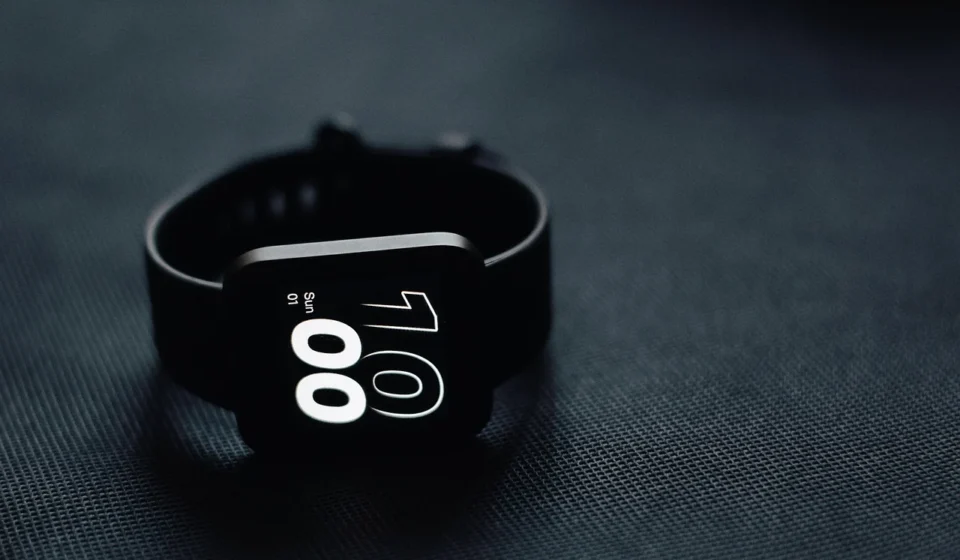
Wearable app development is the process of building software specifically designed to run on wearable hardware devices. Users wear these devices on their bodies to collect data, deliver insights, or assist with specific tasks. This involves creating applications optimized for unique constraints such as tiny screens, limited processing power, and specific sensor interactions. That is quite different from traditional smartphone app development.
What is a Wearable App?
A wearable app is a software application designed to function on devices worn directly on the user’s body. These include smartwatches, fitness trackers, smart rings, or even AR/VR headsets. These applications are characterized by their integration with the device’s built-in sensors. They focus on providing immediate, contextual information and their optimization for limited user interfaces and battery life.
Unlike smartphone apps that typically serve as a primary interface for complex tasks, wearable apps often act as companion applications. They extend the functionality of a smartphone or provide quick, glanceable information. For instance, a wearable app might display notifications, track health metrics, or control smart home devices directly from your wrist. The goal is to offer convenience and unobtrusive interaction, making technology feel like a natural extension of the user.

These apps typically interact with the device’s built-in sensors. This includes accelerometers, gyroscopes, heart rate monitors, and GPS. They collect data for purposes such as fitness tracking, health monitoring, or navigation. They are designed for on-the-go use, requiring careful optimization for minimal screen real estate, efficient power consumption, and often, a hands-free user experience.
How Does Wearable App Development Differ from Mobile App Development?
Developing for wearables is not simply a matter of shrinking down a mobile app. It involves a distinct set of challenges and considerations. The core difference lies in the unique constraints and usage patterns of wearable devices compared to smartphones.
First, screen size and user interface are drastically different. Wearables typically feature stamp-sized screens, requiring developers to prioritize essential information and design intuitive, minimalistic interfaces. Users need to convey information effectively with minimal taps or swipes, often relying on voice commands or gestures. This forces a much clearer focus on the app’s core value proposition.
Second, limited processing power and battery life are significant factors. Wearable apps must be incredibly efficient to avoid draining the device’s small battery. This often means offloading heavy computations to a paired smartphone or cloud service, and optimizing code for performance. A common misconception, as highlighted by current facts, is that wearable app development is simply shrinking down phone work. However, it involves unique constraints like stamp-sized screens, limited battery life, and constant sensor interaction.
Third, sensor integration and data processing are central to wearable apps. These devices are rich with sensors. Effectively utilizing that data for context-aware features, health monitoring, or real-time feedback is crucial. This often involves complex algorithms for data interpretation and integration with health platforms or AI.
Finally, operating system and device fragmentation are key. Wearable devices run on various operating systems. These include watchOS (Apple), Wear OS (Android), Fitbit OS, and RTOS for custom medical devices. This means developers often need to build separate versions of their app or use cross-platform tools. These still require significant platform-specific adjustments, adding complexity to the development process.
What is the Step-by-Step Process of Wearable App Development?
Developing a wearable app involves a structured process, from initial concept to deployment and ongoing maintenance. Here’s how the process is approached:
-
- Define Your Idea and Target Audience: Start by clearly outlining the problem your app solves, its core features, and who will use it. Consider the specific wearable device(s) you’re targeting (e.g., Apple Watch, Google Pixel Watch, Oura Ring) and how users will interact with the app in different contexts. For example, is it for quick notifications, continuous health monitoring, or specific task management? Understanding the device’s capabilities and limitations from the outset is crucial.
- Research and Platform Selection: Investigate the existing market to identify competitors and unique selling points. Then, choose your target platform(s) based on your audience and desired features. If your audience primarily uses iPhones, watchOS is a clear choice. For Android users, Wear OS is essential. Some apps might target specific fitness trackers or even custom hardware, each with its own SDK (Software Development Kit) and development environment. This decision heavily influences the technology stack you’ll use.
- Design User Experience (UX) and User Interface (UI): This is arguably the most critical stage for wearables. Given the tiny screens and limited input methods, the design must be incredibly intuitive and efficient. Focus on glanceable information, simple navigation, and minimal user input. Prototype extensively, testing how users interact with the app in real-world scenarios. We recommend creating wireframes and mockups that prioritize essential data and actions, making sure every pixel serves a purpose.
- Backend Development (if needed): Many wearable apps require a backend to store data, perform complex computations, or integrate with other services (like cloud databases, APIs, or AI models). This could involve setting up servers, databases, and APIs that communicate securely with your wearable app. For health apps, secure data handling and compliance with regulations like HIPAA or GDPR are paramount.
- Front-End Development: This is where the app itself is coded for the chosen wearable platform. For watchOS, you’d use Swift/Objective-C with SwiftUI or UIKit. For Wear OS, it’s Kotlin/Java with Jetpack Compose for Wear OS. This stage involves implementing the UI, integrating with device sensors, managing battery consumption, and ensuring smooth communication with the backend or a companion mobile app. Optimizing for performance and battery life is a continuous effort here.
- Testing and Quality Assurance: Thorough testing is non-negotiable. This includes functional testing (does it work as expected?), performance testing (is it fast and battery-efficient?), usability testing (is it easy to use on a small screen?), and compatibility testing across different device models and OS versions. For medical devices, rigorous validation and verification are required to meet regulatory standards.
- Deployment and Launch: Once tested, the app is submitted to the respective app stores (e.g., Apple App Store for watchOS, Google Play Store for Wear OS). This involves preparing app store listings, screenshots, and descriptions. For regulated medical devices, this stage also includes gaining necessary certifications and approvals from bodies like the FDA or CE marking in Europe.
- Maintenance and Updates: Post-launch, continuous monitoring, bug fixes, performance improvements, and feature updates are essential for user satisfaction and app longevity. Keeping up with OS updates and new device capabilities ensures your app remains relevant and functional.

How Much Does It Cost to Pay Someone to Develop a Wearable App?
The cost of developing a wearable app can vary significantly, depending on its complexity, features, platform, and the development team’s location and expertise. Estimates are seen to range widely because each project has unique requirements. According to current facts, development costs for wearable apps can range from approximately $30,000 for a simple companion app to $150,000 or more for a high-end healthcare platform, and up to $400,000 or more for a full medical device platform with EHR integration and clinical decision support.
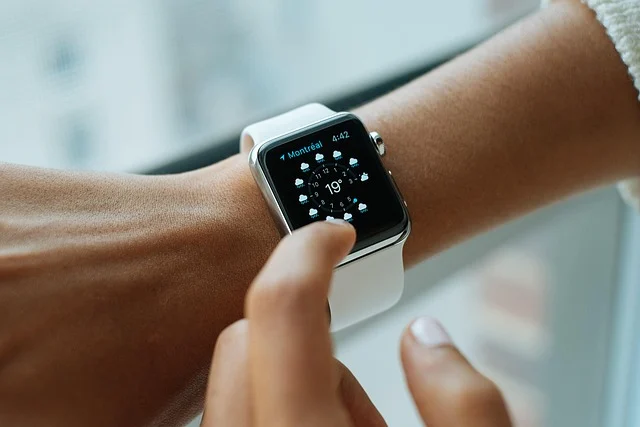
Here’s a breakdown of factors influencing the cost:
-
-
- Complexity of Features: A simple app that displays notifications or basic fitness data will cost less than one with advanced sensor integration, real-time analytics, AI capabilities, or complex backend integrations. Features like GPS tracking, offline mode, payment integration, or custom UI elements add to the development time and cost.
- Platform(s) Targeted: Developing for a single platform (e.g., watchOS only) is generally less expensive than building for multiple platforms (e.g., both watchOS and Wear OS). Each platform requires specific expertise and often separate codebases, increasing the overall effort.
- Design Complexity: A highly customized and intricate UI/UX design, especially for the limited screen real estate of wearables, requires more design hours and specialized expertise, driving up costs.
- Backend Infrastructure: Apps requiring solid backend systems for data storage, user authentication, synchronization, and complex data processing will incur higher development and maintenance costs. This is particularly true for healthcare apps needing secure, compliant data handling.
- Integrations: Integrating with third-party APIs, existing enterprise systems (like Electronic Health Records for medical apps), or other devices adds complexity and cost.
- Regulatory Compliance: For medical or health-related wearable apps, adhering to regulations like HIPAA, GDPR, ISO 13485, and FDA guidance significantly increases development time, testing rigor, and documentation requirements, pushing costs towards the higher end of the spectrum. For example, the FDA’s Quality Management System Regulation incorporates ISO 13485 by reference as of February 2, 2026, making it mandatory for US medical device manufacturers.
- Development Team Location and Expertise: Rates for developers vary globally. Agencies in North America or Western Europe typically have higher hourly rates than those in Eastern Europe or Asia. Specialized expertise in wearable UI/UX, low-power programming, or specific health tech regulations also commands higher fees.
-
When budgeting, remember to account for ongoing costs beyond initial development, such as maintenance, updates, server hosting, and marketing. A good development partner will provide a detailed cost breakdown based on your specific requirements.
What are Five Wearable Medical Devices?
Wearable medical devices are a rapidly expanding category, offering significant potential for remote patient monitoring, chronic disease management, and preventative care. Here are five examples:
- Smartwatches with ECG/SpO2: Devices like the Apple Watch, Samsung Galaxy Watch, and Google Pixel Watch have received regulatory clearances for features such as electrocardiogram (ECG) for detecting atrial fibrillation and blood oxygen (SpO2) monitoring. These can provide early warnings and help manage cardiovascular or respiratory conditions.
- Continuous Glucose Monitors (CGMs): Worn on the arm or abdomen, CGMs continuously measure glucose levels in interstitial fluid, providing real-time data to individuals with diabetes. Devices like the Dexcom G6 or Abbott FreeStyle Libre link with companion apps on smartphones and sometimes directly to smartwatches, offering insights and alerts.
- Smart Patches and Biosensors: These adhesive patches can monitor various physiological parameters, including heart rate, respiration rate, temperature, and even posture or activity levels. They are often used for short-term monitoring in clinical settings or for specific conditions. These patches offer a less intrusive alternative to traditional wired monitors. Some are designed for remote patient monitoring (RPM) programs. According to current facts, these are reimbursable under the 2026 RPM CPT family.
- Smart Rings for Health Tracking: Devices like the Oura Ring track sleep patterns, heart rate variability, body temperature, and activity levels. While often marketed for general wellness, their detailed physiological data can be instrumental in identifying early signs of illness or stress, and some are exploring clinical applications.
- Wearable Blood Pressure Monitors: Newer wearable devices are emerging that can continuously or periodically measure blood pressure from the wrist or arm, offering a more convenient way for individuals with hypertension to monitor their condition outside of a clinical setting. These devices aim to provide more frequent and less disruptive measurements than traditional cuff-based monitors.
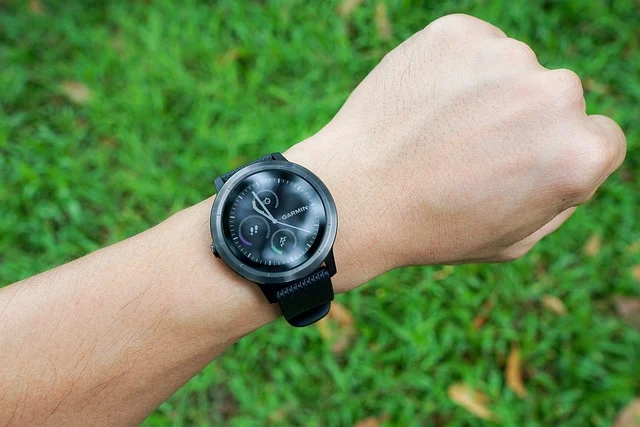
remember that the US Food and Drug Administration (FDA) published updated guidance on January 6, 2026, defining when wearables and software functions are considered “general wellness” and are therefore less strictly regulated. This distinction is crucial for developers to understand the regulatory pathway for their specific medical wearable app.
What Are the Emerging Trends in Wearable App Development?
The wearable technology market is dynamic, projected to grow from about $96.44 billion in 2026 to $231.43 billion by 2034. Several key trends are shaping the future of wearable app development, moving beyond simple fitness tracking:
- Artificial Intelligence (AI) and Machine Learning (ML): AI is transforming wearables by enabling more intelligent data analysis, predictive insights, and personalized user experiences. Instead of just collecting raw data, AI-powered apps can interpret complex patterns to provide actionable advice on health, fitness, and productivity. For example, an AI could analyze sleep data to suggest optimal bedtimes or detect early signs of stress. According to current facts, AI is one of three trends reshaping wearable app development in 2026.
- Edge Processing: This trend involves performing data processing and analysis directly on the wearable device itself, rather than sending all data to the cloud or a smartphone. Edge processing reduces latency, enhances privacy, and conserves battery life. It’s crucial for real-time applications like continuous health monitoring or immediate feedback during workouts. This allows for quicker responses and less reliance on constant connectivity.
- Augmented Reality (AR) and Virtual Reality (VR) Integration: While not traditional wearables in the wrist-worn sense, AR/VR headsets are a significant part of the wearable ecosystem. Apps for these devices are moving beyond gaming to enterprise solutions, training, and immersive experiences. Developing for AR/VR presents unique challenges in spatial computing, gesture recognition, and 3D UI design. It offers unparalleled immersive potential.
- Enhanced Biometric Sensing: Beyond heart rate and steps, wearables are incorporating more sophisticated biosensors. This includes advanced sleep stage detection, continuous blood pressure monitoring, hydration levels, and even non-invasive glucose monitoring. Apps will need to handle this richer, more diverse data, requiring solid data processing and visualization capabilities.
- Privacy and Security Focus: As wearables collect increasingly sensitive personal and health data, solid privacy and security measures are paramount. Developers must implement strong encryption, secure data storage, and adhere to strict data protection regulations like GDPR and HIPAA. The EU AI Act, in force August 2024, classifies AI-powered wearables performing real-time biometric identification in public as high-risk, requiring stringent risk management and data governance.
These trends highlight a shift towards more intelligent, integrated, and context-aware wearable experiences, demanding specialized development skills and a strong focus on data ethics and user privacy.
Frequently asked questions
Can ChatGPT build me an app?
While ChatGPT and similar AI tools can assist with various aspects of app development, such as generating code snippets, brainstorming features, or writing documentation, they cannot autonomously build a complete, functional wearable app. App development still requires human expertise in design, architecture, integration, testing, and deployment.
What is the company wearable devices?
There isn’t a single company named “wearable devices.” Instead, many companies manufacture wearable devices across various categories. Major players include Apple (Apple Watch), Google (Pixel Watch, Fitbit), Samsung (Galaxy Watch), Garmin (fitness trackers, smartwatches), Oura (smart rings), and numerous specialized companies in medical and industrial wearables.
Why should I consider developing a wearable app?
You should consider developing a wearable app if your goal is to provide users with convenient, context-aware information, enhance existing mobile experiences, or use unique sensor data for health, fitness, or productivity. Wearable apps offer a direct, unobtrusive way to engage users and collect valuable insights, often filling gaps that smartphones cannot.