A common question asked is how to establish a strong digital storefront capable of handling the demands of a large organization. Building an enterprise e-commerce platform in 2026 isn’t merely about launching a website; it’s about crafting a resilient, scalable, and highly integrated digital ecosystem that drives significant revenue and enhances customer relationships.
- Define a clear, long-term enterprise e-commerce strategy that aligns with overall business goals before selecting any technology.
- Prioritize platform flexibility, extensibility, and total cost of ownership (TCO) over initial feature lists.
- Adopt a modular, scalable architecture, often using cloud infrastructure and microservices, to support future growth.
- Invest heavily in strong integration capabilities to connect e-commerce with existing ERP, CRM, and inventory systems.
- Focus relentlessly on customer experience (CX), using personalization and AI to drive engagement and conversions.
Defining Your Enterprise E-commerce Vision
Building an enterprise e-commerce platform starts with a clear, well-defined vision. This isn’t just about selling online; it’s about how digital commerce integrates with your entire business operation, from supply chain to customer service. Establishing precise business objectives, such as increasing market share by 15% in new regions or reducing customer service inquiries by 20% through self-service options, is crucial. These goals will guide all subsequent technology and strategy decisions. Your vision must encompass both immediate needs and long-term growth. Consider where your business will be in 3-5 years, anticipating changes in customer behavior and market dynamics. This foresight prevents costly re-platforming cycles. According to a 2025 study by Forrester, enterprises that clearly define their digital commerce strategy upfront achieve a 30% faster time-to-market compared to those that don’t.
Strategic Platform Selection in 2026: Beyond Features
Choosing the right enterprise e-commerce platform is one of the most critical decisions. In July 2026, the market offers a diverse range of solutions, from SaaS platforms like Shopify Plus and BigCommerce Enterprise to open-source options like Magento Open Source, and custom-built headless architectures. Where it gets harder is looking beyond the flashy feature lists to evaluate a platform’s true suitability. Focus on its flexibility, extensibility, and the total cost of ownership (TCO) over a five-year period.
A platform that seems cheaper upfront might incur significant costs in customization, integrations, and ongoing maintenance. For example, a SaaS platform offers lower initial infrastructure costs but might have higher transaction fees or limitations on deep customization. On the other hand, a custom headless solution provides ultimate flexibility but demands significant development investment and a strong DevOps team. Choosing Your Web App Tech Stack in 2026: A Strategic Guide for detailed considerations on selecting your web app tech stack.
Your decision should align directly with your defined business vision and anticipated growth. Designing for Scalability and Performance
An enterprise e-commerce platform must handle fluctuating traffic, vast product catalogs, and complex order volumes without degradation. Scalability is paramount, especially during peak sales periods like Black Friday or flash sales. Using cloud infrastructure, such as AWS, Azure, or Google Cloud, offers elastic scalability, allowing resources to expand or contract based on demand. Many modern enterprise platforms are designed to run on cloud-native architectures, often employing microservices. This approach breaks down the application into smaller, independent services, making it easier to scale specific components without affecting the entire system. This modularity not only improves performance but also enhances resilience and simplifies future development. According to Rudra Innovative’s 2026 guide, highly scalable e-commerce platforms can handle sudden traffic surges of 90% or more without service interruption.
Prioritizing Customer Experience (CX) and Personalization
In 2026, customer experience is a primary differentiator. An enterprise e-commerce platform must deliver intuitive navigation, fast load times, and a smooth checkout process across all devices. Personalization, driven by data and AI, is no longer a luxury but an expectation. AI and automation tools can analyze browsing history, purchase patterns, and demographic data to offer tailored product recommendations, dynamic pricing, and personalized content. This creates a more engaging shopping journey, increasing conversion rates and customer loyalty. Beyond that, strong customer service integrations, such as live chat and AI-powered chatbots, provide instant support, reducing friction points. For instance, if a customer frequently buys specific pet food, the platform can automatically suggest complementary products or notify them when their preferred brand is on sale. This level of personalized interaction makes customers feel understood and valued. Mastering Integrations: The Backbone of Enterprise Commerce
An enterprise e-commerce platform rarely operates in isolation. It must seamlessly integrate with a complex ecosystem of existing business systems, including Enterprise Resource Planning (ERP) for inventory and order management, Customer Relationship Management (CRM) for customer data, Payment Gateways, Warehouse Management Systems (WMS), and marketing automation tools. Poor integrations lead to data silos, manual processes, and operational inefficiencies that negate the benefits of going digital. Invest in strong APIs (Application Programming Interfaces) and middleware solutions that facilitate real-time data exchange. Consider an integration platform as a service (iPaaS) to manage these complex connections centrally. In my 15 years working in digital commerce, I’ve seen enterprises save millions by investing in quality integration architecture early on, avoiding the nightmare of reconciling disparate data later.

Fortifying Security and Compliance
For large enterprises, security breaches can be catastrophic, leading to massive financial losses, reputational damage, and legal penalties. A top-tier enterprise e-commerce platform must incorporate stringent cybersecurity measures from the ground up. This includes strong data encryption, multi-factor authentication, regular security audits, and compliance with industry standards such as PCI DSS (Payment Card Industry Data Security Standard) for payment processing and GDPR/CCPA for data privacy. Staying abreast of the latest threats and vulnerabilities is an ongoing process. As of July 2026, advanced persistent threats (APTs) are a significant concern, requiring proactive defense strategies and continuous monitoring. Implement Web Application Firewalls (WAFs) and Distributed Denial of Service (DDoS) protection to shield against common attacks. A strong cybersecurity posture builds customer trust, which is invaluable. On enhancing your cybersecurity strategy. Building a strong Implementation Roadmap
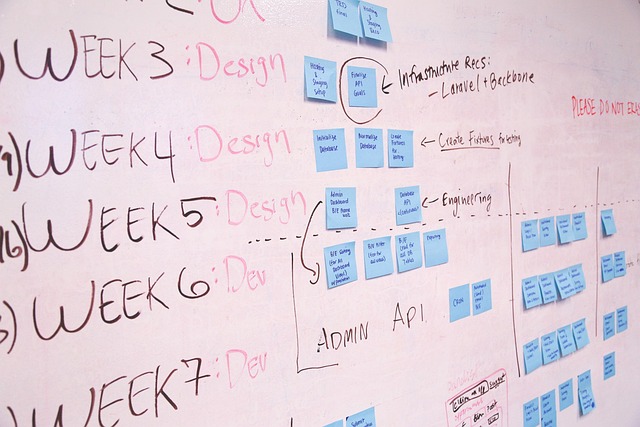
Implementing an enterprise e-commerce solution is a complex project requiring meticulous planning and execution. A detailed roadmap, broken down into phases, ensures a structured approach. This typically includes discovery and planning, platform selection, design and development, data migration, quality assurance (QA) testing, launch, and post-launch optimization. Each phase should have clear deliverables, timelines, and responsible teams. Involving key stakeholders from various departments—IT, marketing, sales, operations, and customer service—is crucial for a successful rollout. This collaborative approach ensures the platform meets diverse business needs and fosters internal adoption. Regular communication and transparent progress tracking mitigate risks and keep the project on schedule and within budget. Starting with a minimum viable product (MVP) and iterating can accelerate launch while gathering real-world user feedback. How to Choose Your Enterprise E-commerce Platform
Choosing the optimal platform for your enterprise is a strategic exercise that goes beyond comparing feature lists. It involves a deep dive into your business model, growth projections, and existing technology landscape. Before making a commitment, evaluate potential platforms against these critical criteria:
- Scalability: Can the platform handle anticipated traffic spikes and transaction volumes? Does it support unlimited product catalogs and customer accounts?
- Integration Capabilities: How easily does it connect with your current ERP, CRM, PIM, and marketing automation tools? Look for strong APIs and a marketplace of pre-built connectors.
- Customization and Extensibility: Can the platform be tailored to your unique business processes and branding requirements? What are the limitations on custom functionality?
- Total Cost of Ownership (TCO): Beyond licensing fees, consider implementation costs, ongoing maintenance, hosting, support, and potential future upgrades. A seemingly cheaper option can become very expensive if it requires extensive custom development or frequent re-platforming.
- Vendor Support and Ecosystem: Evaluate the vendor’s reputation, support services, and the strength of their partner ecosystem (developers, agencies). A strong community often means more resources for troubleshooting and enhancements.
- Security and Compliance: Ensure the platform meets all relevant industry security standards (e.g., PCI DSS) and data privacy regulations (e.g., GDPR, CCPA).
- User Experience (UX) for Admins: An intuitive backend for your internal teams will reduce training time and improve operational efficiency.

Real-World Application: A B2B Enterprise Case Study
Consider a global industrial parts manufacturer, ‘Industrial Connect Corp.’ (ICC), which aimed to shift 40% of its B2B sales online by 2026. Their existing system was a legacy ERP with manual order processing for distributors, leading to delays and errors. ICC implemented a headless commerce solution, integrating it with their SAP ERP and Salesforce CRM. The front-end was custom-built to offer personalized pricing, tiered discounts based on distributor volume, and self-service order tracking. This allowed distributors to place orders 24/7, view real-time inventory, and access custom catalogs. The result: within 18 months, ICC achieved 35% online sales, reducing manual order processing by 60% and improving order accuracy by 95%. This demonstrates how strategic platform choice and strong integration can transform enterprise operations and customer satisfaction, moving from a slow, error-prone manual system to a streamlined, always-on digital channel. Comparison: Headless vs. Monolithic E-commerce
When considering enterprise e-commerce solutions, the architectural choice between headless and monolithic platforms is fundamental. Each offers distinct advantages and trade-offs in terms of flexibility, development, and operational complexity.
| Feature | Headless E-commerce | Monolithic E-commerce |
|---|---|---|
| Architecture | Decoupled front-end and back-end (API-driven) | Single, integrated front-end and back-end |
| Flexibility/Customization | High; design unique CX across multiple channels | Moderate; dependent on platform templates/modules |
| Development Complexity | Higher initial development, specialized teams | Lower initial development, easier for generalists |
| Time-to-Market (New Features) | Faster for front-end innovations post-setup | Can be slower due to tightly coupled components |
| Maintenance & Upgrades | Independent updates; complex integration management | All-in-one updates; can be disruptive |
| Cost Implications | Higher initial investment, but lower long-term agility costs | Lower initial investment, potential for higher long-term customization costs |
Pros & Cons: Headless vs. Monolithic Architectures
Pros (Headless)
- Ultimate Flexibility: Design any front-end experience across web, mobile, IoT, etc.
- Future-Proofing: Easily adopt new technologies without re-platforming the entire system.
- Enhanced Performance: Lighter front-ends can lead to faster load times and better SEO.
- Agile Development: Front-end and back-end teams can work independently.
Cons (Headless)
- Higher Initial Cost: Requires significant investment in custom development and integration.
- Increased Complexity: Managing multiple decoupled systems and APIs can be challenging.
- Specialized Expertise: Demands a more skilled and diverse development team.
- Dependency Management: Ensuring all microservices and APIs communicate effectively adds overhead.
Pros (Monolithic)
- Faster Initial Setup: Often quicker to deploy with pre-built templates and functionalities.
- Simpler Management: All features are housed within a single codebase, easier for smaller teams.
- Lower Upfront Cost: Generally requires less initial development and fewer specialized skills.
- Integrated Ecosystem: Features like CMS, cart, and checkout are inherently connected.
Cons (Monolithic)
- Limited Flexibility: Customization can be restricted by platform architecture and templates.
- Scalability Challenges: Scaling one component often means scaling the entire system, which is less efficient.
- Vendor Lock-in: Can be difficult and expensive to migrate away from a specific vendor.
- Innovation Constraints: Adopting new technologies or channels might require significant workarounds or platform upgrades.
Navigating Common Pitfalls in Enterprise E-commerce Development
Building an enterprise e-commerce platform is fraught with potential challenges. A common mistake is underestimating the complexity of data migration from legacy systems. Many enterprises also fail to allocate sufficient budget for ongoing maintenance, security, and feature enhancements post-launch. This leads to an outdated platform that quickly loses its competitive edge. Another pitfall is neglecting internal training and change management; a powerful platform is useless if your team doesn’t know how to use it effectively. Over-customization, where every unique business process is hard-coded, creates a rigid system that’s difficult and expensive to update. This can lead to vendor lock-in even with open-source solutions. Instead, focus on configuring the platform to meet 80% of your needs, reserving custom development for truly differentiating features. Expert Tips for Long-Term Success
To ensure your enterprise e-commerce platform thrives beyond its initial launch, adopt a mindset of continuous evolution. Regularly review your analytics to identify areas for optimization, from conversion funnels to product recommendations. Embrace A/B testing for new features and design changes to ensure they resonate with your audience. Beyond that, cultivate strong relationships with your platform vendor and integration partners. This ensures you’re aware of upcoming features, security patches, and best practices. Where it gets harder is staying ahead of emerging technologies. Explore how new advancements, such as advanced Generative AI for content creation or predictive analytics for inventory management, can be integrated strategically. Building a culture of innovation within your e-commerce team is crucial for sustained competitive advantage. This approach allows your platform to adapt and grow with your business, rather than becoming a static asset. Frequently Asked Questions
What is the typical timeline for building an enterprise e-commerce platform?
The timeline varies significantly based on complexity and customization. A basic implementation on a SaaS platform might take 6-12 months, while a highly customized headless solution with extensive integrations can span 18-36 months. Planning and data migration often consume a substantial portion of this period.
How much does an enterprise e-commerce platform cost?
Costs range widely from hundreds of thousands to several million dollars. Factors include platform licensing, custom development, integrations, hosting, ongoing maintenance, and internal team salaries. A detailed TCO analysis over 3-5 years is essential to understand the full financial commitment.
Should an enterprise choose SaaS, PaaS, or a custom-built solution?
The choice depends on customization needs, budget, and internal capabilities. SaaS offers speed and lower operational overhead but less flexibility. PaaS provides more control over code without managing infrastructure. Custom-built solutions offer maximum flexibility but require significant development resources and expertise.
What role does AI play in enterprise e-commerce in 2026?
In 2026, AI is critical for personalization, predictive analytics, intelligent search, customer service chatbots, and even automated content generation. It enhances customer experience, optimizes operations, and provides deeper insights into market trends and consumer behavior.
How important is mobile responsiveness for enterprise e-commerce?
Extremely important. A significant portion of online traffic and purchases now occur on mobile devices. An enterprise platform must offer a flawless, optimized experience across smartphones and tablets to maximize reach, engagement, and conversion rates for all users.
What are the key differences between B2C and B2B enterprise e-commerce?
B2B platforms often require features like complex pricing tiers, customer-specific catalogs, purchase order management, account-based purchasing, and strong integration with procurement systems. B2C typically focuses more on consumer-friendly UX, personalization, and broader marketing.
Conclusion
Building an enterprise e-commerce platform in 2026 is a journey of strategic investment, not just a technical project. Success hinges on a clear vision, meticulous planning, a flexible architecture, and a relentless focus on the customer. By prioritizing scalability, smooth integrations, and a strong security posture, enterprises can create a powerful digital commerce engine that drives growth and adapts to future market demands.