
The Reigning King: Streaming and Its Impact
The Reigning King: Streaming and Its Impact
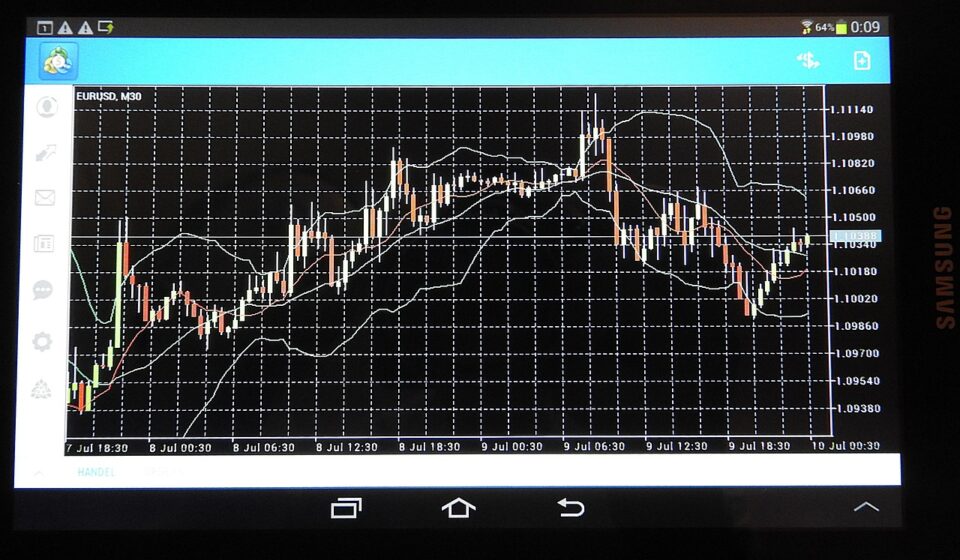
In the global music market as of July 2026, streaming services like Spotify, Apple Music, and Amazon Music remain the undisputed leaders. According to the IFPI Global Music Report 2025 (latest available complete data), subscription streaming accounts for the vast majority of recorded music revenue worldwide.
Last updated: July 12, 2026
This dominance has fundamentally reshaped how consumers access music, moving from an ownership model (downloads, CDs) to an access model. Most listeners today prefer the convenience and vast library of streaming over purchasing individual tracks or albums.
The sheer volume of streams generates significant revenue for the industry as a whole, but the per-stream payout to artists is notoriously low, leading to ongoing debates about fair compensation for creators. For many artists, especially emerging ones, streaming is primarily a discovery and audience-building tool, rather than a primary income source.
Digital Downloads: A Slow and Steady Decline
Digital downloads, once seen as the future of music consumption, have been on a consistent downward trend for several years, a direct consequence of streaming’s rise. Despite this decline, they still represent a larger portion of sales than physical CDs when looking at the overall market in 2026.
Platforms like Apple’s iTunes Store and Amazon Music offer downloads, catering to consumers who still prefer to own their music files without ongoing subscriptions. Downloads typically offer better audio quality than standard streaming, and the purchased file can be played offline on various devices without an active internet connection.
For artists, downloads often provide a higher per-unit royalty rate compared to streaming, though still less than direct physical sales. The challenge lies in convincing listeners to purchase when a complete catalog is available via streaming for a monthly fee.

The Enduring Niche of the Compact Disc
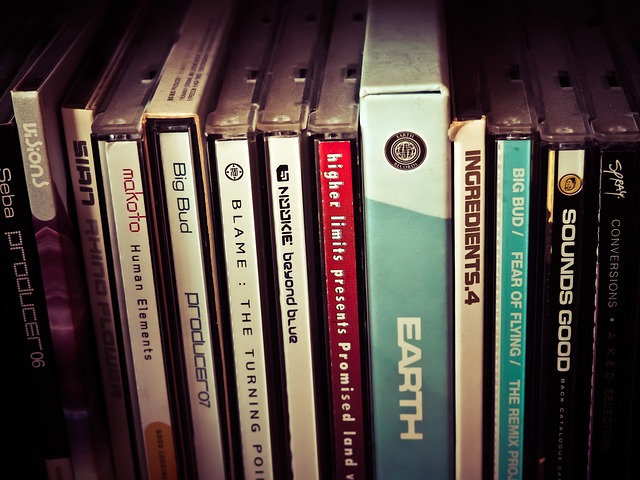
While the heyday of the CD is long past, this physical format has not entirely vanished. CD sales continue to hold a niche but important position, particularly for dedicated fans and specific demographics or genres. The narrative that CDs are completely obsolete overlooks their strategic value.
Collectors often appreciate CDs for their physical liner notes, artwork, and the tangible experience of owning an album. For certain genres like jazz, classical, or niche independent music, CDs can still command loyalty and sales. They are often seen as a premium item for superfans.
Plus, CDs play a role in direct-to-fan sales at concerts and through artist websites, where the artist retains a much larger percentage of the sale price compared to digital distribution. This direct interaction is invaluable for building a committed fanbase.
Artist Revenue: A Tale of Disparity
Understanding what sells more downloads or CDs necessitates a look at the artist’s take-home pay. The revenue distribution across different formats is starkly different and significantly impacts an artist’s sustainability.
Streaming royalties are notoriously low, often fractions of a cent per stream, requiring millions of plays to generate meaningful income. Digital downloads, while better, still involve platform fees and distributor cuts, leaving artists with a percentage of the sale price.
On the other hand, direct sales of physical CDs, especially at live shows or via an artist’s own e-commerce store, can offer the highest profit margins per unit. While the volume is much lower, the impact on an independent artist’s bottom line can be substantial. For example, selling a $15 CD directly might net an artist $10-12, whereas a $1.29 download might net $0.90, and a streaming track requires thousands of plays to equal that.
Why Artists Still Consider CDs in 2026
Given the dominance of streaming and downloads, why would an artist in 2026 still bother with CDs? The answer lies in several strategic advantages that go beyond pure sales volume.
CDs are excellent merchandise. They offer a tangible connection point between artist and fan, something physical to hold, sign, and display. This strengthens fan loyalty and provides a premium item for dedicated listeners.
They also serve as a high-quality audio option. Many audiophiles still prefer the uncompressed or minimally compressed audio of a CD over standard streaming or even some download formats. This caters to a segment of the market focused on sound fidelity. And, CDs can be bundled with other merchandise, creating higher-value packages for fans.
Balancing Your Music Distribution Strategy
For any artist or label operating in 2026, a balanced distribution strategy is crucial. Relying solely on one format means missing out on significant opportunities and revenue streams. The goal should be to maximize reach while also cultivating high-value interactions.
The Digital-First Approach
Firstly, a strong digital presence is non-negotiable. This includes making your music available on all major streaming platforms and digital download stores. Digital distribution ensures global accessibility and acts as the primary discovery mechanism for new listeners.
Focus on optimizing your presence on these platforms, ensuring your metadata is correct, and engaging with listeners through playlists and social media. This is where the vast majority of new listeners will encounter your music.
Strategic Physical Releases
Beyond that, consider strategic physical releases. Instead of a blanket CD release for every track, target albums or EPs that have strong artistic merit or significant fan anticipation. These can be released as limited editions, signed copies, or bundled with exclusive content.
This approach transforms a CD from a commodity into a collector’s item, justifying its higher price point and appealing to your most dedicated supporters. For surface-material comparisons, see if applicable to your CD packaging.
Common Mistakes in Music Sales Strategy
Many artists make critical errors that limit their sales potential across both digital and physical formats. A common mistake is neglecting metadata. Incorrect or incomplete metadata on streaming and download platforms can make your music undiscoverable, hindering plays and purchases.
Another frequent misstep is failing to promote physical releases effectively. Simply having CDs available isn’t enough; you need to create compelling reasons for fans to buy them, such as exclusive tracks, signed copies, or limited-edition packaging.
Overlooking direct-to-fan sales is also a significant oversight. Platforms like Bandcamp allow artists to set their own prices, offer various formats (including high-res downloads and physicals), and retain a much larger percentage of sales. Not using these direct channels means ceding significant revenue to third-party distributors.
Expert Tips for Maximizing Music Sales in 2026
In my 15 years working in the digital music distribution space, I’ve seen that the most successful artists employ a hybrid strategy, understanding that each format serves a different purpose. For most artists, especially independent ones, it’s about making smart choices.
Tip 1: Embrace High-Res Audio Downloads. Offer high-resolution audio files (FLAC, WAV) as premium downloads on your website or Bandcamp. This caters to audiophiles and allows you to charge a higher price point, differentiating from standard MP3s or streaming quality. This is a growing segment that values sound fidelity.
Tip 2: Bundle Physical with Digital. When selling CDs, always include a complimentary digital download code. What sells more downloads or cds gives fans the best of both worlds: the physical collectible and the convenience of digital access. It adds perceived value without significant extra cost.
Tip 3: Use Fan Communities. Focus on building a strong, engaged online community. Use platforms like Patreon or Discord to connect directly with your superfans, offering them exclusive access to physical releases, pre-orders, and unique bundles. These communities are your most reliable source of physical sales.

Frequently Asked Questions
Do CDs still make money for artists in 2026?
Yes, CDs absolutely still generate revenue for artists in 2026, especially through direct-to-fan sales at shows or via their own websites. While unit volume is lower than digital, the profit margin per CD can be significantly higher, making it a valuable income stream for dedicated fanbases.
What is the biggest music revenue stream in 2026?
As of July 2026, music streaming subscriptions and ad-supported streaming remain the largest revenue stream for the global recorded music industry. This sector continues to grow, overshadowing income from both digital downloads and physical sales combined.
Are digital music downloads growing or declining?
Digital music downloads have been in a steady decline for several years and continue to decrease in 2026. The shift towards streaming services, which offer vast catalogs for a monthly fee, has largely replaced the consumer preference for purchasing individual tracks or albums.
Is vinyl outselling CDs in 2026?
Yes, vinyl records have been outselling CDs in terms of revenue for several years and continue to do so in 2026. Collectors and audiophiles who drives the vinyl resurgence value the aesthetic, tangible experience, and perceived higher audio quality of records.
Why do fans still buy physical CDs?
Fans still buy physical CDs for several reasons, including the desire for tangible artwork and liner notes, the joy of collecting, supporting artists directly, and for uncompressed audio quality. CDs often serve as premium merchandise for dedicated fans.
How do independent artists distribute their music in 2026?
Independent artists in 2026 typically distribute their music through digital aggregators (e.g., DistroKid, TuneCore) for streaming and downloads, while managing physical CD sales directly via their websites, Bandcamp, or at live performances for higher profit margins.
Conclusion
The question of what sells more downloads or CDs in 2026 has a clear answer: digital downloads still hold a lead over physical CDs in terms of overall market volume, but both are dwarfed by the massive revenue generated by music streaming. However, for artists, the strategic value of CDs, particularly for direct sales and superfan engagement, remains significant. A smart music monetization strategy integrates all formats, using streaming for reach, downloads for convenience, and physical media for premium fan connection and higher per-unit artist revenue.
Information current as of July 2026; pricing and product details may change.
Editorial Note: This article was researched and written by the Team 4 Solution editorial team. We fact-check our content and update it regularly. For questions or corrections, contact us. For readers asking “What sells more downloads or cds”, the answer comes down to the specific factors covered above.