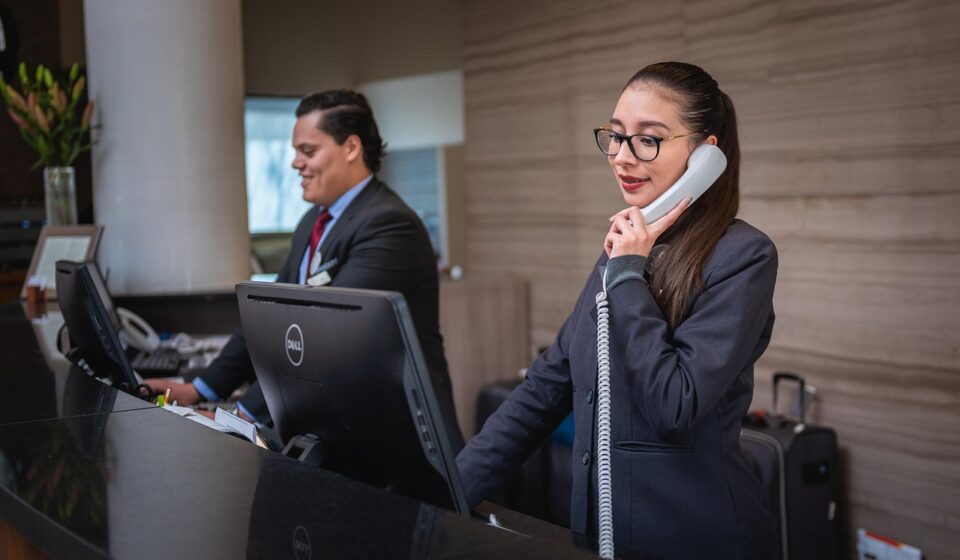
When planning a corporate trip, many business travelers overlook the strategic importance of their accommodation. Choosing the right business hotels is not merely about finding a bed; it’s about selecting an environment that extends your office, fosters productivity, and supports your professional goals. A common question asked is, ‘How can my hotel truly enhance my work, not just accommodate it?’ The answer lies in understanding the nuanced offerings of today’s business-centric lodging.
Last updated: August 23, 2026
Key Takeaways
- Dedicated business hotels offer specific amenities like solid Wi-Fi, ergonomic workspaces, and meeting rooms, crucial for maintaining productivity on the road.
- Location, beyond just proximity, should consider transportation links, client access, and local amenities for a smooth business trip.
- using corporate rates, loyalty programs, and bundled services can significantly reduce costs and enhance the overall value of your stay.
- Hybrid models and extended-stay options are increasingly catering to the evolving needs of remote and long-term business travelers, offering flexibility and enhanced living spaces.
- Common mistakes include neglecting to verify crucial amenities, overlooking security features, and underutilizing available hotel services.
What Truly Defines a Business Hotel?
A business hotel distinguishes itself from a leisure hotel by its fundamental design and service philosophy. It prioritizes the needs of the working professional, focusing on efficiency, connectivity, and a conducive work environment. These establishments are meticulously crafted to support guests who are traveling for work, whether it’s for a quick overnight stay or an extended project.
Beyond a comfortable bed, a true business hotel offers reliable, high-speed internet access, often symmetrical for smooth video conferencing. You’ll find well-lit, ergonomic workspaces within rooms, and usually, dedicated business centers or co-working lounges available 24/7. The objective is to ensure that work continues uninterrupted, even when away from the main office.
For example, while a resort might offer stunning pools and recreational activities, a business hotel will invest in soundproofed meeting rooms, advanced AV equipment, and efficient concierge services capable of assisting with travel logistics, printing, or courier needs.
Essential Amenities for the Modern Business Traveler
In 2026, the definition of essential amenities for corporate accommodation has expanded significantly. It’s no longer just about a desk and a phone. Today’s business traveler expects smooth integration of work and personal well-being.
Top-tier connectivity is paramount. This means not just Wi-Fi, but solid, secure networks with sufficient bandwidth for multiple devices and demanding applications. Power outlets should be plentiful and easily accessible.
A study by the Global Business Travel Association (GBTA) consistently highlights Wi-Fi as the number one desired amenity. Beyond that, a comfortable, ergonomic chair and ample lighting in the room’s workspace are non-negotiable.
Many business hotels now feature on-site fitness centers, healthy dining options, and even quiet zones or meditation spaces to combat travel fatigue. According to a 2026 report by Forbes Travel Guide, wellness amenities are increasingly influencing booking decisions for busy executives.

Strategic Location: Why Proximity Matters More Than Ever
The location of your business hotel is a critical factor that impacts both efficiency and cost. It’s not just about being close to your client; it’s about minimizing travel time, reducing stress, and maximizing your productive hours.
Consider proximity to major transportation hubs, such as airports or train stations, especially if you have tight schedules or multiple connections. Easy access to public transport can also be a significant advantage, cutting down on taxi fares and traffic delays. For instance, a hotel near a major convention center makes attending events far more efficient.
Beyond direct business needs, a strategic location might offer convenient access to dining, pharmacies, or even a local park for a quick break. In my experience advising corporate travel managers, selecting a hotel within a 15-minute commute of key appointments can save an average of two hours per day in travel time, directly translating to more productive work or much-needed rest.
Maximizing Productivity: Spaces and Services for Remote Work
With the rise of remote and hybrid work models, business hotels are adapting to become true extensions of the modern office. This involves offering more than just a desk in your room; it’s about creating flexible work environments.
Many leading business hotels now provide dedicated co-working spaces, often equipped with private booths, collaboration tables, and strong internet. These areas offer a change of scenery from your room and opportunities for informal networking. Some hotels even offer day-use passes for these facilities, allowing local professionals to use them.
Services like 24-hour business centers with printing, scanning, and video conferencing equipment are invaluable. Some high-end establishments offer virtual assistant services or dedicated IT support for guests facing technical issues. These resources ensure that even complex tasks can be handled efficiently while away from the corporate office.
Value-Added Services: Beyond the Basic Room Rate
To truly maximize the value of your business hotel stay, look beyond the nightly room rate. Many hotels offer bundled services or perks that can significantly enhance your trip without adding extra cost.
Complimentary breakfast, airport shuttles, and late check-out options are common. However, some go further with executive lounge access, offering free refreshments, light meals, and a quiet space for meetings or work. Other value-added services might include laundry credits, complimentary fitness classes, or preferred access to on-site restaurants.
Always inquire about these inclusions when booking, especially if you’re a frequent traveler or booking for a team. The aggregated savings and convenience can be substantial. For instance, a hotel offering free breakfast and airport transfers could save a traveler $50-$80 per day compared to paying for these services separately.
Navigating Corporate Programs and Loyalty Benefits
For companies and frequent individual business travelers, understanding and using corporate programs and loyalty benefits is crucial for cost savings and enhanced experiences. These programs are designed to reward consistent patronage.
Most major hotel chains offer corporate rates negotiated directly with businesses, providing a discount off the standard rate. Ensure your company is enrolled and that you’re consistently using these codes. Beyond that, individual loyalty programs (like Marriott Bonvoy, Hilton Honors, or IHG One Rewards) offer points for stays, which can be redeemed for free nights, upgrades, or other perks.

Elite status within these programs often comes with benefits like room upgrades, late check-out, complimentary breakfast, and exclusive lounge access. Consolidating your stays with one or two preferred brands can accelerate your path to elite status, making future business trips more comfortable and cost-effective. For details on specific program tiers, refer to official hotel loyalty program guides.
Business Hotels vs. Hybrid Models: Which is Right for You?
The hospitality landscape for business travelers is diversifying, with traditional business hotels now competing with hybrid models and extended-stay properties. Understanding the differences helps you choose the best fit.
Traditional business hotels, like those from Hilton or Marriott, are designed for efficiency and full-service support, ideal for short-to-medium stays. They offer amenities on-site, from restaurants to meeting rooms. On the other hand, hybrid models, often found in urban centers, blend traditional hotel services with co-working spaces and a more community-focused vibe, appealing to digital nomads and startups.
Extended-stay options, such as Residence Inn or Homewood Suites, feature kitchenettes and larger living areas, perfect for longer assignments (weeks or months). They prioritize comfort and a home-away-from-home feel. The right choice depends on the duration of your trip, your need for self-sufficiency, and your budget.
Common Pitfalls When Booking Corporate Stays
Even experienced business travelers can fall prey to common booking mistakes that compromise productivity or inflate costs. Being aware of these can save you time and frustration.
One frequent error is failing to verify specific amenities. Assuming all hotels have reliable, free Wi-Fi or a functional business center can lead to unwelcome surprises. Always check the hotel’s website or call directly to confirm the availability and quality of critical services. Another pitfall is ignoring cancellation policies, which can result in hefty charges if plans change unexpectedly.
Overlooking the security features of a hotel is also a significant mistake, especially for travelers with sensitive equipment or documents. Consider factors like secure access controls, in-room safes, and well-lit parking. Finally, not factoring in hidden costs like resort fees, parking charges, or premium Wi-Fi upgrades can quickly inflate your budget.
Tips for a smooth Business Hotel Experience
Making your business hotel stay as productive and comfortable as possible involves a few smart strategies beyond just booking the right place.
First, communicate your needs upfront. If you require a quiet room, a specific type of workspace, or early check-in, inform the hotel in advance. Many hotels are happy to accommodate reasonable requests. Second, use the concierge service; they are a valuable resource for local insights, transportation, and last-minute arrangements.
Consider utilizing hotel apps for mobile check-in/out and digital room keys, streamlining your arrival and departure. Also, always keep a small, portable power bank and a universal adapter handy for your devices. These small preparations can make a big difference in maintaining your workflow and peace of mind on the road.
How to Choose Your Next Business Hotel: A Buying Guide
Selecting the ideal business hotel requires a structured approach, weighing several criteria to match your specific travel needs.
- Assess Your Core Needs: Start by defining your priorities. Is it maximum productivity with meeting rooms and high-speed internet, or a comfortable base for an extended stay with kitchen facilities? Your trip’s purpose dictates the type of hotel.
- Location, Location, Location: Pinpoint your key destinations (client offices, conference venues, transportation hubs). Use mapping tools to calculate commute times and identify hotels with easy access to public transport or major roads.
- Connectivity & Workspaces: Prioritize hotels known for solid Wi-Fi (check reviews!) and dedicated in-room workspaces or communal co-working areas. Confirm the availability of business centers and printing services.
- Amenities & Services: Look for 24/7 fitness centers, healthy dining options, and value-added services like airport shuttles or executive lounges. These contribute significantly to comfort and efficiency.
- Security & Safety: Research the hotel’s security measures, including secure access, in-room safes, and well-lit common areas. This is especially important if you’re traveling with valuable equipment or sensitive information.
- Budget & Value: Compare corporate rates, loyalty program benefits, and bundled services. Factor in potential hidden costs like parking or resort fees to get the true total cost of stay.
- Reviews & Reputation: Consult recent reviews on reputable travel sites, paying close attention to comments about internet reliability, room cleanliness, and staff responsiveness.

Real Examples and Use Cases
Understanding the theory is one thing; seeing it in practice helps solidify the concepts. Let’s look at a couple of scenarios.
Consider a sales team from a tech startup needing flexible meeting spaces for client pitches. They might opt for an AC Hotel by Marriott, which often features ‘The Lobby’ – a stylish, open-plan area with various seating arrangements and high-speed Wi-Fi, perfect for informal meetings or individual work. This contrasts with a traditional conference center, offering more dynamic, less formal options. These hotels often have smaller, bookable meeting rooms too, at a lower cost than dedicated conference venues.
For a consultant on a three-month project in another city, an extended-stay brand like an Embassy Suites or a Homewood Suites by Hilton would be ideal. These properties offer separate living and sleeping areas, a fully equipped kitchenette, and often complimentary breakfast and evening receptions. This setup significantly reduces daily expenses for meals and provides a more comfortable, residential feel than a standard hotel room, enhancing long-term well-being and productivity. Best E Ink Tablets: Enhancing Productivity & Well-being
| Feature | Dedicated Business Hotel (e.g., Marriott, Hilton, Hyatt Regency) | Business-Friendly Leisure Hotel (e.g., Boutique, Resort with conference facilities) |
|---|---|---|
| Primary Focus | Productivity, corporate services, efficiency | Guest experience, relaxation, local culture |
| Work Amenities | 24/7 business center, meeting rooms, ergonomic desks, solid Wi-Fi standard | Desk/chair in room, Wi-Fi (may be slower/paid), limited business services |
| Location Preference | Near business districts, airports, convention centers | Near tourist attractions, beaches, city centers, often less direct transport |
| Dining Options | Quick breakfast, grab-and-go, on-site restaurant (often with express options) | Varied restaurants, often more leisure-oriented, slower service |
| Loyalty Programs | Extensive, deeply integrated, significant corporate rates | Available, but corporate rates may be less central; focus on leisure perks |
| Atmosphere | Professional, quiet, focused | Relaxed, vibrant, often higher foot traffic |
Pros of Dedicated Business Hotels
- Optimized for Productivity: Designed with solid Wi-Fi, ergonomic workspaces, and accessible business centers.
- Strategic Locations: Often situated near business hubs, reducing commute times.
- Streamlined Services: Efficient check-in/out, concierge services geared towards business needs.
- Corporate Rates & Loyalty: Stronger integration with corporate travel policies and generous loyalty programs.
- Dedicated Meeting Facilities: Professional meeting rooms with necessary tech.
Cons of Dedicated Business Hotels
- Less Local Flavor: Can sometimes feel generic, lacking unique cultural experiences.
- Limited Leisure Amenities: Fewer recreational options compared to resort-style hotels.
- Potentially Higher Rates: May be pricier than basic hotels, though value-added services can offset this.
- Less Flexible Design: Rooms are functional, but might lack the charm or spaciousness of some boutique or extended-stay options.
- Busy Environment: Lobbies and common areas can be bustling with other professionals, potentially less private.
Common Mistakes to Avoid
Successfully navigating business travel means avoiding common pitfalls that can derail your productivity or budget. One significant mistake is underestimating the importance of a good night’s sleep. Choosing a hotel purely on price without considering noise levels, bed comfort, or black-out curtains can lead to exhaustion and reduced performance.
Another error is neglecting to review the hotel’s food and beverage options. If you have dietary restrictions or prefer healthy meals, ensure the hotel can accommodate this, especially if you anticipate long workdays. Relying solely on external dining can be time-consuming and expensive. Failing to use hotel staff for assistance, such as local recommendations or printing, is a missed opportunity to enhance your trip.
Finally, not packing essential tech accessories, like a travel adapter or portable hotspot, can leave you stranded if the hotel’s Wi-Fi is spotty or power outlets are scarce. Always have a backup plan for connectivity and power.
Expert Insights for Maximizing Your Stay
Beyond the basics, a few expert insights can elevate your business hotel experience. Always check if the hotel offers a ‘quiet zone’ floor or rooms away from elevators and ice machines; a small request at check-in can make a huge difference.
If you’re traveling for a presentation, consider doing a quick tech check in the meeting room the day before, if possible, to avoid last-minute issues. For extended stays, inquire about laundry facilities or services; many properties offer self-service options or discounted rates for longer durations. This keeps you feeling fresh and professional without the hassle of finding external services.
And, engage with the hotel staff. A quick chat with the front desk or concierge about your schedule and needs can often lead to proactive solutions or valuable local tips. They are often your best resource for navigating the area and making your stay smoother. For example, they might know the best time to avoid traffic to your meeting or a reliable local printing service.
Frequently Asked Questions
What’s the difference between a business hotel and a regular hotel?
Business hotels prioritize amenities like high-speed internet, dedicated workspaces, meeting rooms, and business services. Regular hotels, conversely, often focus on leisure, offering more recreational facilities and fewer specialized work-related features. The target audience and service philosophy fundamentally differ, impacting design and offerings.
What are must-have amenities for business travelers?
The most crucial amenities for business travelers include solid, free Wi-Fi, an ergonomic in-room workspace, a 24/7 business center, access to meeting facilities, and healthy dining options. Convenience, connectivity, and comfort are paramount to maintaining productivity on the road.
How can I get the best rates on business hotels?
To secure the best rates, use your company’s negotiated corporate codes, join and use hotel loyalty programs, and book in advance. Comparing prices across multiple booking platforms and considering direct bookings with the hotel can also yield better deals or added perks.
Are extended-stay hotels good for business trips?
Yes, extended-stay hotels are excellent for longer business trips, typically lasting more than a few days. They offer home-like amenities such as kitchenettes, separate living areas, and often laundry facilities, which provide greater comfort and cost savings compared to standard hotel rooms over an extended period.
How important is location for a business hotel?
Location is critically important. A strategically located business hotel minimizes commute times to clients, meeting venues, and transportation hubs. It reduces stress and maximizes your productive hours, allowing for more efficient travel and better work-life balance during your trip.
What security features should I look for in a business hotel?
Essential security features include secure key card access for rooms and common areas, in-room safes for valuables, well-lit parking facilities, and 24-hour front desk or security presence. These measures help ensure the safety of guests and their belongings, which is crucial for peace of mind.
Choosing the right business hotels is a strategic decision that directly impacts your productivity, comfort, and ultimately, the success of your corporate travel. By focusing on essential amenities, using corporate programs, and avoiding common pitfalls, you can transform your hotel stay from a mere necessity into a powerful tool for achieving your business objectives. A thoughtful approach to booking and utilizing corporate accommodation ensures every trip is as efficient and effective as possible.
Information current as of August 2026; pricing and product details may change.
Related read: 7 Essential Entrepreneurial Skills Every Founder Needs.