When it comes to watching live sports online, the allure of free streaming sites like crackstream is undeniable. For many, the promise of catching every NFL game, UFC fight, or NBA playoff without a hefty subscription fee seems like a perfect solution. Yet, what most users often overlook are the significant legal, ethical, and cybersecurity risks that come with these platforms.
Last updated: September 1, 2026
Why do raises rarely make people feel richer? Because spending expands to absorb income within 60-90 days — long before savings adjust. Similarly, the ‘free’ aspect of crackstream often blinds users to the hidden costs of potential malware, data theft, and legal penalties that can far outweigh any subscription savings. As of September 2026, the world of online streaming continues to evolve, making it crucial for you to understand what you’re truly getting into.
Key Takeaways
- Crackstream and similar sites operate illegally, distributing copyrighted content without proper licenses.
- Using these platforms exposes your devices to significant cybersecurity threats like malware, adware, and phishing attempts.
- The constant shifting of crackstream domains (e.g., from.ms to.mx) is a direct response to legal enforcement and makes identifying legitimate sites difficult.
- While tempting, the ‘free’ aspect comes with a high risk to your privacy and digital security.
- Numerous legitimate and increasingly affordable alternatives exist for watching live sports legally and safely.
What Exactly Is Crackstream?
Crackstream is an umbrella term for a network of websites that provide unauthorized live streams of sporting events. These platforms typically aggregate links from various sources, allowing users to watch everything from NFL, NBA, UFC, and Boxing to Soccer, Formula 1, and MLB games without paying for official broadcast subscriptions. The popularity of these sites grew significantly from the ‘Reddit streams’ era, where users would share direct links to live feeds on subreddits before copyright enforcement clamped down.
In essence, crackstream acts as a digital hub for pirated sports content. While it offers convenience by centralizing access to a wide range of sports, it does so by bypassing the intellectual property rights of broadcasters and leagues. This business model is inherently risky, leading to the constant cat-and-mouse game with authorities.
When you access a site like crackstream, you’re interacting with a service that exists in a legal grey area at best, and outright illegality at worst. I’ve seen many users drawn in by the promise of watching a major event like a 2026 World Cup qualifier or a championship fight, only to encounter unexpected issues.
The Legal world of Free Sports Streaming
The core issue with crackstream is copyright infringement. Sports broadcasts are valuable intellectual property, and distributing them without a license is illegal. While individual users watching a stream might not face immediate prosecution in many jurisdictions, the operators of these sites certainly do. Organizations like the Premier League, NFL, and UFC actively pursue legal action against providers and, increasingly, against those who facilitate access to illegal streams.
In the United States, the Digital Millennium Copyright Act (DMCA) empowers content owners to issue takedown notices, leading to domain seizures and website closures. This is why you see crackstream domains constantly changing—from crackstreams.ms to crackstreams.mx, for example. Each domain change is often a direct response to legal pressure, an attempt to evade shutdown and continue operations.
According to the U.S. Copyright Office (2025), unauthorized public performance of copyrighted works, including live sports, carries significant penalties for the providers.
For you, the user, the legal risk might seem minimal, but it’s not non-existent. While individual prosecutions are rare, supporting these sites perpetuates an illegal ecosystem. Some countries have stricter laws regarding accessing pirated content, and internet service providers (ISPs) can sometimes issue warnings or even throttle bandwidth for users repeatedly accessing known illegal streams. I think it’s important to consider the ethical implications as well; legitimate sports broadcasting relies on subscription revenue to fund the events we all enjoy.
Common Risks of Using Crackstream
Beyond the legal grey area, the most immediate and tangible risks of using crackstream are cybersecurity threats. These sites are notorious for being vectors for malware, adware, and phishing scams. When you click on a stream link, you might trigger deceptive pop-ups, redirects, or even hidden downloads.
- Malware and Adware: Many free streaming sites rely on intrusive advertising. Some of these ads are malicious, attempting to install unwanted software, browser hijackers, or even ransomware on your device. You might notice your browser acting strangely, new toolbars appearing, or your homepage changing unexpectedly.
- Phishing Attempts: Some pop-ups or fake login screens on these sites might try to trick you into entering personal information, such as your email, passwords, or credit card details. Always be suspicious of requests for personal data on unverified sites.
- Data Privacy Concerns: Even without direct malware, these sites often track your browsing habits extensively. They may sell your data to third-party advertisers, compromising your privacy. I’d avoid entering any sensitive information while browsing these kinds of platforms.
Navigating the Maze: Understanding Crackstream Domain Changes
A tell-tale sign of an illicit streaming service is its constantly changing web address. Crackstream, as noted by its own sites, frequently changes domains (e.g., from crackstreams.ms to crackstreams.mx, or even crackstreams.st, crackstreams.so, crackstreams.page, and crackstreams.lat). This isn’t a feature; it’s a survival mechanism against legal takedowns and ISP blocks.
For you, this means a frustrating search for the ‘current’ site, often leading to unofficial mirrors or even outright scam sites designed to look like the real thing. Each time a domain is seized or blocked, a new one pops up, creating a confusing and insecure user experience. This constant flux also makes it difficult to distinguish between a functional, albeit illegal, site and a completely fraudulent one designed purely for phishing or malware distribution.
My advice is to always be extremely cautious when following links to these sites, especially if they appear in search results or on social media. The official domain for a legitimate service remains stable; the opposite is true for crackstream. Where it gets harder is when even legitimate-looking search results point to a compromised or outdated mirror. For more on identifying malicious URLs, see .
Why Buffering and Low Quality Persist on Free Streaming Sites
Many users complain about persistent buffering, poor video resolution, and unreliable streams on crackstream. This isn’t usually a problem with your internet connection; it’s an inherent limitation of the service itself. Running a high-quality, high-bandwidth streaming service legitimately requires significant server infrastructure, content delivery networks (CDNs), and licensing fees — costs that crackstream avoids.
Because they operate outside legal frameworks, these sites often use cheaper, less solid server solutions that can’t handle the massive traffic spikes during major live events. When thousands of users try to watch the same NFL playoff game or UFC main event in 2026, the servers get overloaded, leading to constant interruptions and reduced video quality. They also often re-stream content, meaning there’s a delay, and the source quality might already be compromised.
On the other hand, paid services invest heavily in their infrastructure to guarantee smooth, high-definition streaming, usually without delays. This is a critical difference for a truly immersive viewing experience.
Legitimate Alternatives for Watching Live Sports in 2026
While the cost of multiple sports subscriptions can feel daunting, several legitimate options provide reliable, high-quality, and secure ways to watch live sports. Many services offer flexible packages, free trials, or even free content with ads. Here are a few examples:
- ESPN+: A staple for US sports fans, offering a vast array of live events, original content, and replays. It often bundles with Disney+ and Hulu, providing good value.
- Peacock: NBC’s streaming service, which carries Premier League soccer, Sunday Night Football, and other live sports. Some content is available for free with ads, while premium tiers unlock more.
- DAZN: Popular globally for boxing and MMA, offering a dedicated platform for combat sports enthusiasts.
- Sling TV / YouTube TV / Hulu + Live TV: These are live TV streaming services that mimic cable, offering access to major sports channels like ESPN, Fox Sports, and regional sports networks.
- League-Specific Passes: For dedicated fans, services like NBA League Pass, NFL+ (in the US), or MLB.TV offer out-of-market games and replays, though blackout restrictions can apply. According to the NFL’s official site (2026), NFL+ Premium offers live local and primetime regular season games on mobile, plus full game replays for around $14.99 per month.
Many of these services offer free trials, allowing you to test them out during a major event like a World Series game or a crucial soccer match before committing. I think exploring these options is a far better investment than risking your digital security. For comparing different streaming services, explore .
Protecting Yourself While Exploring Online Streams
If you choose to explore free streaming, or even if you’re just browsing the web, taking proactive cybersecurity measures is non-negotiable. Your browser is your first line of defense.
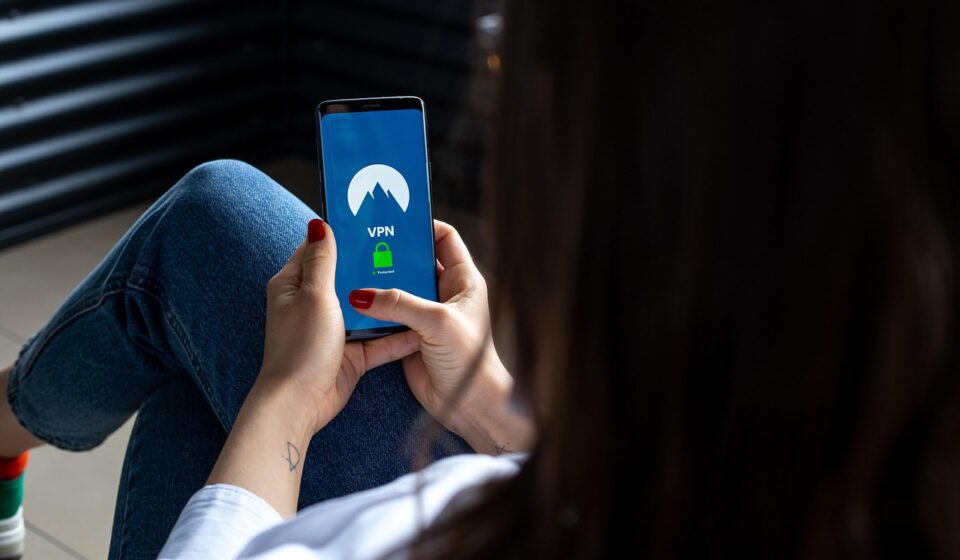
- Use a VPN: A Virtual Private Network encrypts your internet connection and masks your IP address, adding a layer of privacy and security. While it won’t make illegal streaming legal, it can protect your identity and data from prying eyes on unsecured sites. I would start with a reputable, paid VPN service rather than a free one, as free VPNs often come with their own privacy compromises.
- Install a solid Ad Blocker: Many ad blockers can prevent malicious pop-ups and redirects from loading, significantly reducing your exposure to adware and malware. Look for browser extensions with strong reviews and active development. For advice on managing browser extensions, see .
- Keep Software Updated: Ensure your operating system, web browser, and antivirus software are always up-to-date. Software updates often include critical security patches that protect against the latest threats.
- Use Antivirus/Anti-malware Software: A reputable security suite can scan for and remove malicious software that might slip through other defenses. Run regular scans, especially after visiting suspicious websites.
- Be Skeptical: If something looks too good to be true, it probably is. Don’t click on flashy ads, download unexpected files, or enter personal information on sites you don’t trust.
How to Assess a Streaming Site for Safety
It can be challenging to determine if a streaming site is safe, especially with the constant changes in domains like those associated with crackstream. However, I can offer a simple process to help you make a quick assessment:
- Check the URL: Before clicking, hover over the link or carefully inspect the address bar. Look for HTTPS (secure connection) and be wary of unusual domain extensions or misspellings that try to mimic legitimate sites. A rapid succession of redirects after clicking is a huge red flag.
- Observe Initial Pop-ups: If the site immediately bombards you with multiple pop-up windows, especially ones that ask you to download something, register, or claim you’ve won a prize, close the tab immediately. Legitimate streaming services don’t operate this way.
- Review On-Page Ads: Are the ads overly aggressive, flashing, or showing inappropriate content? This often indicates a less reputable site that prioritizes ad revenue over user safety.
- Look for Trust Signals (or Lack Thereof): Does the site have a privacy policy, terms of service, or contact information? While these can be faked, their complete absence is a clear warning sign. For comparison, a site like Twitch.tv, while not primarily a traditional sports streamer, allows user-generated content and has transparent policies.
- Read User Reviews: A quick search for ‘[site name] reviews’ or ‘[site name] scam’ can often reveal if other users have had negative experiences. While not foolproof, it’s a good initial indicator.
Crackstream vs. Legitimate Streaming Services
To truly understand the trade-offs, let’s compare the experience of using crackstream against a typical legitimate subscription service for live sports.
| Feature | Crackstream (Illegal Streams) | Legitimate Service (e.g., ESPN+, Peacock Premium) |
|---|---|---|
| Cost | Free (but with hidden risks) | Subscription fee (e.g., $9.99/month for ESPN+, $5.99/month for Peacock Premium as of 2026) |
| Legality | Illegal / Copyright infringement | Fully legal and licensed |
| Video Quality | Often low, inconsistent, buffering | High definition (HD), reliable, consistent |
| Reliability | Unpredictable, prone to shutdowns/domain changes | Highly reliable, dedicated servers |
| Security Risks | High (malware, phishing, data tracking) | Low (secure transactions, data protection) |
| Ad Experience | Intrusive, malicious pop-ups, redirects | Controlled, usually non-intrusive, sometimes ad-free tiers |
| Device Compatibility | Browser-based, often poor mobile support | Dedicated apps for Smart TVs, mobile, streaming devices |
Pros of Legitimate Streaming Services
- Reliable, high-quality, uninterrupted streams.
- Secure, legal access to content.
- Dedicated apps for various devices, enhancing user experience.
- Customer support and account management.
- No risk of malware or data theft.
Cons of Legitimate Streaming Services
- Requires a recurring subscription fee.
- Content can be fragmented across multiple platforms, requiring several subscriptions.
- Blackout restrictions for local games can be frustrating.
- May include ads even with a subscription on some tiers.
Common Mistakes to Avoid with Online Streaming
Even with good intentions, it’s easy to fall into traps when seeking out live sports online. Here are some common mistakes I see users make:
- Ignoring Browser Warnings: Your browser, antivirus software, or operating system might flag a site as unsafe. These warnings are there for a reason; heed them. Overriding security alerts to access a stream is a significant risk.
- Clicking on Unknown Download Prompts: Never download software, codecs, or browser extensions prompted by a streaming site you don’t explicitly trust. These are almost always malicious.
- Using the Same Password Everywhere: If you accidentally enter credentials on a phishing site, having unique, strong passwords for your important accounts (email, banking) will protect you from broader compromises. Password managers are essential here.
- Not Clearing Browser Data: Regularly clearing your browser’s cache, cookies, and history can help remove tracking elements and reduce the lingering effects of visiting suspicious sites. This is a basic maintenance step many overlook.
- Falling for ‘Free Trial’ Scams: Some illicit sites might ask for credit card details for a ‘free trial’ that’s actually a recurring, unauthorized charge. Always verify the legitimacy of any payment gateway.
Expert Tips for a Safer Sports Streaming Experience
My top recommendation for anyone wanting to watch live sports is to stick with legitimate, paid services. However, if you must explore other options, do so with extreme caution and these insights:
- Research Before You Click: If you’re looking for a specific event, do a quick search for its official broadcast partners first. Many major events have official free streams or short-term trial offers. A 2026 World Series game, for instance, will always have clear, official broadcasting channels.
- Use a Dedicated ‘Burner’ Browser: Consider using a secondary browser (e.g., Brave or Firefox instead of your primary Chrome profile) with enhanced security settings, an ad blocker, and a VPN specifically for any high-risk streaming. This compartmentalizes your activity.
- Understand Geo-restrictions and VPNs: Sometimes, a legitimate stream is available in another country. A VPN can help you access these, but be aware that some streaming services are getting better at detecting and blocking VPN usage. Using a VPN for legitimate geo-unblocking is different from using one to mask illegal activity.
- Explore Social Media (Carefully): While Reddit streams are largely gone, official sports accounts on Twitter (now X) or Instagram sometimes share legitimate free clips or highlights that can satisfy a quick sports fix without the full stream. Be cautious of unofficial accounts posting links.
- Consider Shared Subscriptions: If multiple family members or friends watch sports, pooling resources for a legitimate subscription service can make it more affordable than individual accounts, significantly reducing the per-person cost. For example, a family plan for a service like YouTube TV might cost around $72.99 per month as of 2026, but split among 3-4 users, it becomes much more manageable per person than multiple individual subscriptions. This is often a more cost-effective and secure approach than relying on free, illegal sites.
Frequently Asked Questions
Is crackstream legal to use?
No, crackstream operates illegally by distributing copyrighted sports content without authorization. While individual users might not face direct legal action frequently, supporting and accessing these sites contributes to copyright infringement, and the operators themselves face significant legal penalties.
What are the biggest risks of using crackstream?
The primary risks include exposure to malware, adware, and phishing scams designed to steal personal information or infect your device. Additionally, you run the risk of compromising your digital privacy through extensive data tracking and supporting an illegal activity that undermines legitimate content creators.
Why do crackstream domains keep changing?
Crackstream domains change frequently (e.g., crackstreams.ms, crackstreams.mx) as a direct response to legal enforcement actions, such as DMCA takedowns and domain seizures. This constant shifting is an attempt by the operators to evade authorities and maintain their illegal operations.
Are there any truly free and legal sports streaming options?
Genuine free and legal options are limited but exist. Some sports leagues or broadcasters offer free highlights, replays, or occasional live games with ads. Platforms like Pluto TV or Tubi also carry some sports content, but typically not major live events as they happen.
Can a VPN protect me when using crackstream?
A VPN can enhance your privacy by encrypting your internet connection and masking your IP address from third parties, including the streaming site itself and your ISP. However, a VPN doesn’t legalize the act of streaming copyrighted content and should not be seen as a shield against copyright infringement.
What are good alternatives to crackstream for live sports?
Reputable paid services like ESPN+, Peacock, DAZN, Sling TV, YouTube TV, and league-specific passes (e.g., NBA League Pass, NFL+) offer legal, high-quality, and secure streaming. Many provide flexible pricing, bundles, and free trials to explore their content.
Navigating the world of online sports streaming can be tricky, especially with tempting options like crackstream promising free access. However, the costs associated with potential cybersecurity threats, privacy breaches, and legal ambiguities far outweigh the initial appeal of ‘free.’ I strongly recommend investing in legitimate streaming services. Not only do they provide a superior, uninterrupted viewing experience, but they also ensure your digital safety and support the sports and broadcasters you value.
Information current as of September 2026; pricing and product details may change.