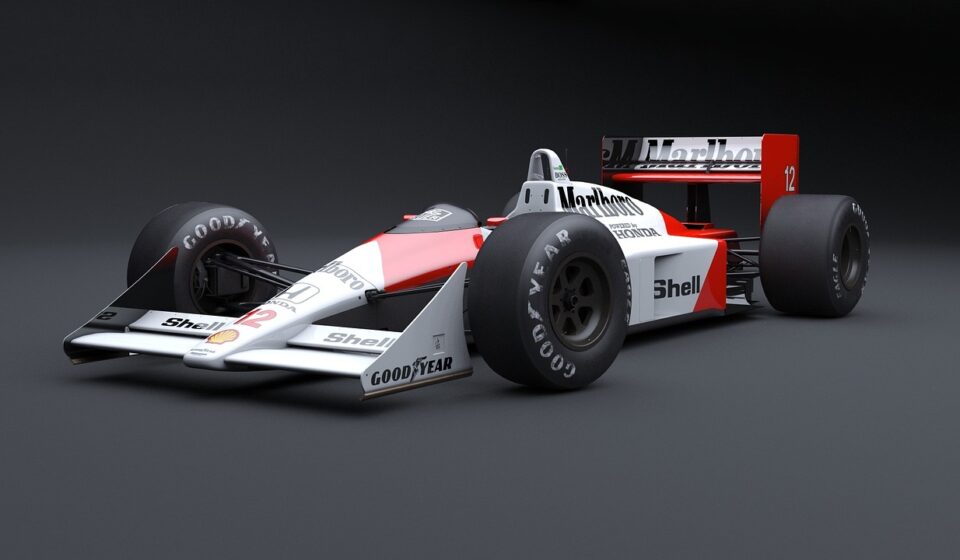
When McLaren unveiled the Senna in late 2017, it wasn’t just another hypercar; it was a visceral declaration of purpose. This machine wasn’t designed to be a comfortable grand tourer or a stylish street cruiser. Instead, it was conceived and engineered for one singular, uncompromising goal: to be the fastest track-focused road car McLaren had ever built. As of July 2026, the McLaren Senna remains a benchmark in extreme performance, captivating enthusiasts and collectors with its brutal efficiency and unparalleled driver engagement.
Last updated: July 4, 2026
Key Takeaways
- The McLaren Senna is a limited-production, track-focused hypercar designed for ultimate aerodynamic and mechanical grip.
- Its engineering prioritizes downforce and weight reduction, featuring extensive carbon fiber construction and active aerodynamics.
- Produced in a limited run of 500 units, the Senna commands significant value in the collector market as of 2026, often exceeding its original price.
- Variants like the Senna GTR push performance further, offering an even more extreme, track-only experience.
- Owning a Senna involves specialized maintenance and a deep appreciation for its uncompromising, driver-centric design.
The Vision Behind the McLaren Senna: A Track Purity Mission
The philosophy underpinning the McLaren Senna is pure, unadulterated performance. Named after the legendary Formula 1 driver Ayrton Senna, this car embodies his relentless pursuit of perfection and uncompromising approach to racing. Unlike its predecessors in the McLaren Ultimate Series, such as the more road-oriented P1, the Senna was engineered from the ground up to excel on the circuit, translating every input into immediate, precise action.
This dedication meant stripping away anything that didn’t contribute to speed or handling. The design isn’t about conventional beauty; it’s about aerodynamic function. Every curve, vent, and wing serves a purpose, generating immense downforce to glue the car to the tarmac. This focus creates a driving experience that’s raw, unfiltered, and incredibly rewarding for those who dare to explore its limits.

Unpacking the Senna’s Performance: Power and Precision
At the heart of the McLaren Senna lies a formidable engine, a twin-turbocharged 4.0-liter V8, delivering significant horsepower and torque. This power plant, designated M840TR, is a direct evolution of McLaren’s existing V8 architecture, tuned for maximum responsiveness and power delivery. Paired with a seven-speed dual-clutch gearbox, it enables blistering acceleration and rapid shifts, crucial for track domination.
The emphasis on lightweight construction is paramount. The Senna uses a carbon fiber Monocage III chassis, contributing to a remarkably low dry weight. This combination of immense power and minimal mass results in an incredible power-to-weight ratio, allowing the Senna to achieve astonishing straight-line speeds and equally impressive braking performance, thanks to its carbon ceramic brakes. The official McLaren Automotive site highlights its immense power and precise handling as core to its ultimate performance ethos.
Aerodynamics: The Art of Downforce
Where the McLaren Senna truly distinguishes itself is in its aerodynamic package. It’s a masterclass in Using airflow for grip. The car features a host of active aerodynamic elements, including a massive rear wing that can adjust its angle, and active aero blades integrated into the front splitter. These components work in concert to continuously optimize downforce and balance, adapting to different speeds and driving conditions.
The extensive use of carbon fiber for the body panels isn’t just for weight saving; its strength and rigidity allow for complex aerodynamic shapes and channels that sculpt the air around and through the car. This sophisticated aero setup enables the Senna to generate incredible levels of downforce, allowing it to corner at speeds that defy belief and providing drivers with immense confidence on the track. This relentless pursuit of aerodynamic efficiency is key to its track prowess.

The Limited Production and its Market Impact
The McLaren Senna was always intended to be an exclusive vehicle. Production was strictly limited to 500 units for the road-legal version, ensuring its rarity and desirability. Each car was hand-assembled at the McLaren Production Centre in Woking, Surrey, emphasizing the bespoke nature of the Ultimate Series. The initial price for a McLaren Senna was approximately £750,000 (around $1 million USD at the time of its release).
As of July 2026, the collector market for the McLaren Senna has seen significant activity. Due to its limited numbers, performance pedigree, and the enduring legacy of Ayrton Senna, values have generally appreciated. It’s not uncommon to see pristine examples listed for well over their original asking price, sometimes approaching $2 million or more, depending on mileage, specification, and provenance. This makes the Senna not just a performance machine, but a notable automotive investment.
McLaren Senna Variants: GTR, LM, and Sabre
Beyond the standard road-legal McLaren Senna, McLaren Automotive produced several even more exclusive and track-focused variants, pushing the boundaries of performance further.
- McLaren Senna GTR: This track-only monster takes the Senna’s philosophy to its extreme. With an even more aggressive aerodynamic package, increased power output, and a chassis tuned exclusively for circuit use, the GTR is not road-legal. Only 75 units were produced, making it incredibly rare and highly sought after by private collectors for track events. According to McLaren’s official site (mclaren.com), it represents the purest expression of track performance.
- McLaren Senna LM: A rarer beast, the Senna LM was created as a tribute to the McLaren F1 LM, itself a tribute to the F1 GTR’s Le Mans victory. These cars featured unique modifications, including revised bodywork, enhanced engine tuning, and a distinctive orange finish. Production numbers were extremely low, adding to their exclusivity.
- McLaren Senna GTR LM: Combining elements of both the GTR and LM, these were even more specialized, celebrating the 25th anniversary of McLaren’s 1995 Le Mans victory. Five bespoke examples were crafted, each uniquely themed to a specific F1 GTR chassis that raced at Le Mans.
- McLaren Sabre: While not strictly a Senna variant, the limited-production McLaren Sabre shares some DNA and extreme performance ethos. Built exclusively for the US market by McLaren Special Operations (MSO), only 15 units were made, featuring bespoke design and engineering.
The Ownership Experience in 2026: More Than Just a Car
Owning a McLaren Senna in 2026 is a commitment beyond mere purchase. These are not daily drivers; they are meticulously engineered machines requiring specialized care. Maintenance schedules are rigorous, often involving McLaren-certified technicians, and parts can be exclusive and costly. Owners typically keep them in climate-controlled environments, bringing them out for exclusive track days, automotive events, or curated drives.
The experience is less about convenience and more about communion with a pure driving instrument. The interior is minimalistic, focused on the driver, with exposed carbon fiber and racing seats. Road noise is pronounced, and the ride is firm – every sensation is transmitted directly to the driver, fostering an intense connection with the machine. For many, it’s the ultimate expression of driving skill and passion, a tangible link to Ayrton Senna’s own philosophy of driving perfection.

Navigating the McLaren Senna Market in 2026: What to consider
For those looking to acquire a McLaren Senna as of July 2026, the market requires careful navigation. Given its limited production and collector status, these cars are typically sold through specialist dealers, high-end auctions, or private sales. Authenticity is paramount; verifying the vehicle’s history, service records, and original specifications is crucial. Many cars will have been tracked, so a thorough pre-purchase inspection by a McLaren expert is non-negotiable.
Prospective buyers should also factor in ongoing costs. Beyond the purchase price, expect significant insurance premiums, specialized storage, and potentially high maintenance costs, especially if track usage is frequent. The long-term appreciation potential is strong, but the focus should primarily be on the driving experience and the car’s significance in automotive history. For a broader overview of McLaren’s Ultimate Series, explore.
McLaren Senna vs. Senna GTR: A Focused Comparison
While both cars bear the Senna name and share a common DNA, their intended use creates significant differences.
| Feature | McLaren Senna (Road-Legal) | McLaren Senna GTR (Track-Only) |
|---|---|---|
| Production Units | 500 | 75 |
| Road Legality | Yes | No |
| Engine Output | Slightly lower (e.g., 789 hp) | Higher (e.g., 813 hp) |
| Aerodynamics | Extreme, but road-compliant | Even more aggressive, unrestricted |
| Suspension | Road-and-track optimized | Track-specific, stiffer setup |
| Weight | Approx. 1,198 kg (dry) | Lighter, further weight reduction |
| Price (Original) | ~£750,000 | ~£1.1 million |
Advantages of the McLaren Senna
- Road-legal versatility allows for driving to and from track events.
- Exceptional performance that still challenges modern hypercars.
- Strong collector value and potential for appreciation.
- Iconic design with a direct connection to Ayrton Senna’s legacy.
Drawbacks of the McLaren Senna
- Uncompromising ride quality makes it less suitable for daily driving.
- High running costs, including specialized maintenance and insurance.
- Limited luggage space and minimalist interior.
- Its extreme nature can be intimidating for less experienced drivers.
Common Mistakes and Misconceptions
One common mistake is approaching the McLaren Senna as a luxury car. It’s not. While it carries a hypercar price tag, its luxury is in its engineering purity, not its plushness. Expecting a comfortable, quiet ride will lead to disappointment.
Another pitfall is underestimating the cost and complexity of maintenance. These are highly specialized machines, and neglecting proper servicing can lead to expensive issues. Always factor in these operational costs when considering ownership.
A misconception is that its extreme performance is easily accessible. The Senna demands skill and respect. It offers incredible feedback, but pushing its limits requires significant track experience and a measured approach. It’s a car that rewards mastery, not recklessness. Many owners invest in advanced driver training to truly unlock its potential.
Expert Insights for McLaren Senna Enthusiasts in 2026
For those captivated by the McLaren Senna, understanding its true character is key. As of 2026, the market for these vehicles is mature but still dynamic. When evaluating a potential purchase, pay close attention to the car’s service history and any documented track usage. A well-maintained example, even with track miles, often holds its value better than a neglected one, regardless of mileage.
Consider joining owner communities or specialist forums. The collective knowledge regarding maintenance tips, specific component lifespans, and reputable service centers is invaluable. Many owners find immense satisfaction in pushing these machines on dedicated circuits, and the community aspect of track days adds another layer to the ownership experience.
Don’t view it merely as a static investment; it’s an experience to be lived. Explores the broader evolution of track-focused road cars.

Frequently Asked Questions
How many McLaren Sennas were produced?
McLaren produced 500 units of the road-legal McLaren Senna globally. Additionally, there were more exclusive, track-only variants like the Senna GTR (75 units) and extremely limited editions such as the Senna LM and GTR LM, making the entire lineage highly collectible.
Is the McLaren Senna street legal?
Yes, the standard McLaren Senna is fully street legal in most major markets. However, its uncompromising track-focused nature means it prioritizes performance over comfort, making it a demanding vehicle for daily road use.
What is the top speed of a McLaren Senna?
The McLaren Senna has a top speed of approximately 211 mph (340 km/h). While impressive, its design prioritizes downforce and cornering ability over outright top speed, making it an exceptional performer on a race track rather than a pure straight-line sprinter.
How much does a McLaren Senna cost in 2026?
As of July 2026, the price of a McLaren Senna in the secondary market can vary significantly based on condition, mileage, specification, and provenance. While its original price was around £750,000, pristine examples can command values well over $1.5 million USD, sometimes approaching $2 million.
What makes the McLaren Senna different from the P1?
The McLaren Senna is fundamentally a track-focused machine designed for ultimate aerodynamic grip and lightweight performance. The McLaren P1, while also a hypercar, was a hybrid-powered, technologically advanced road car that offered a blend of performance and luxury, making it a more versatile grand tourer.
Can you daily drive a McLaren Senna?
While technically road-legal, daily driving a McLaren Senna is not practical or comfortable for most. Its stiff suspension, loud cabin, aggressive aerodynamics, and sparse interior are optimized for the track, making it a challenging and uncompromising experience for everyday commutes.
What is the significance of the Senna name?
The car is named after the legendary Brazilian Formula 1 driver Ayrton Senna, widely regarded as one of the greatest racing drivers of all time. McLaren named the car after him to honor his legacy of uncompromising performance, dedication, and pursuit of perfection on the race track.
The McLaren Senna stands as a monumental achievement in automotive engineering, a car that pushes the boundaries of track performance with uncompromising focus. Its legacy as a driving machine built for pure speed and precision continues to resonate deeply within the automotive world. For anyone captivated by the fusion of latest technology and a raw, visceral driving experience, the Senna remains an ultimate aspiration. Ultimately, owning a McLaren Senna is a testament to a passion for driving at its most extreme.
Information current as of July 2026; pricing and product details may change.
Editorial Note: This article was researched and written by the Team 4 Solution editorial team. We fact-check our content and update it regularly. For questions or corrections, contact us.
Related read: Essential Physics Formulas: Your 2026 Study Companion.