Developing an on-demand medicine delivery app typically costs between $30,000 and $60,000 for a basic Minimum Viable Product, while a feature-rich, multi-platform solution ranges from $70,000 to $150,000 or more. Key features driving this cost include secure prescription uploads, pharmacy inventory management, real-time GPS tracking, integrated payment gateways, and HIPAA or GDPR regulatory compliance.
Driven by critical needs like medication adherence and prescription access, the online pharmacy market is growing at a CAGR between 12% and 19% through 2030. Successfully launching a platform requires key operational assets, including cold-chain storage capabilities, licensed pharmacy partnerships, and real-time prescription verification systems.
The sections below detail project development timelines, business models, required features across four app panels, and advanced capabilities for digital pharmacy software.
How much does an on-demand medicine delivery app cost?
The total investment for custom medicine delivery software depends on functional requirements, platform choice, regulatory overhead, and backend infrastructure. The table below outlines average cost ranges and typical development timelines based on project scope.
| Development Scope | Estimated Cost Range | Typical Timeline | Primary Features Included |
|---|---|---|---|
| Basic MVP | $30,000 – $60,000 | 3 to 5 months | Single platform (iOS or Android), manual prescription upload, basic search, credit card and cash payment, static order tracking, simple admin dashboard. |
| Medium Complexity | $70,000 – $150,000 | 6 to 8 months | Cross-platform (iOS and Android), OCR prescription reading, multi-vendor pharmacy panels, real-time GPS tracking, in-app chat, automated push notifications, automated inventory sync. |
| Advanced / Enterprise | $150,000 – $300,000+ | 9 to 12+ months | Multi-platform native apps, telehealth video consultations, AI demand prediction, EHR/e-prescribing platform integrations, cold-chain temperature logging, multi-language support, automated compliance auditing. |
These recurring costs cover cloud hosting (such as AWS Healthcare or Google Cloud Healthcare API), third-party API licensing, security patches, app store maintenance fees, and regulatory compliance updates.
Which business model best fits your pharmacy app?
Before writing code, choosing the right business model is fundamental for your online pharmacy application. Your choice dictates system complexity, administrative workflows, and overall development costs.

| Business Model | How It Operates | Target Owner | Key Technical Requirement | Cost & Complexity Impact |
|---|---|---|---|---|
| Aggregator Model | Connects users with local independent pharmacies; earns commissions per order. | Health tech startups and platform orchestrators. | Multi-vendor admin panels, automated order dispatching, dynamic revenue-sharing split calculations. | High backend complexity; increases initial development budget due to multi-user architecture. |
| Pharmacy-Owned Model | Single pharmacy chain sells direct to local customers from its owned inventory. On Demand Medicine Delivery App Development Cost With Key Features stays lower initially due to centralized control. | Existing brick-and-mortar pharmacy chains. | Direct integration with existing Point-of-Sale (POS) and Pharmacy Management Systems (PMS). | Moderate initial cost; simplified access controls but complex legacy POS database integrations. |
| Direct-to-Consumer (DTC) Model | Central fulfillment facility ships specific care regimens (e.g., chronic disease management) directly to patients. | Specialty pharma brands and digital-first health brands. | Subscription management engines, custom prescription intake forms, automated refill scheduling. | Moderate to high cost; requires specialized logistics management tools and telemedicine hooks. |
What key features are required across all panels?
A medicine delivery platform requires four interconnected sub-systems working in real time: the Patient App, the Pharmacy Panel, the Delivery Driver App, and the Central Admin Dashboard.
1. Patient App Features
- Secure User Registration & Profile Management: Multi-factor authentication via phone, email, or biometric login with personal health record storage.
- Prescription Upload & Processing: Optical Character Recognition (OCR) tools automatically parse text from scanned paper prescriptions or digital PDF uploads.
- Medicine Search & Categorization: Direct search by brand name, generic drug composition, or health condition, equipped with dosage details and active side-effect warnings.
- In-App Shopping Cart & Order Tracking: Real-time status updates showing order confirmation, pharmacy packaging, driver pickup, and live GPS movement on a map.
- Multiple Secure Payment Options: Integration with credit/debit card processors, digital wallets, and digital mobile payment options.
- Refill Reminders & Notifications: Scheduled push alerts reminding patients to reorder recurring maintenance medications before running out.
2. Pharmacy Panel Features
- Order Acceptance & Dispatch Workflow: Interface for pharmacists to review uploaded prescriptions, confirm stock availability, and accept or decline orders.
- Inventory & Stock Control: Automatic updates that decrement drug counts upon order acceptance and issue low-stock warnings for high-demand items.
- Prescription Verification System: Secure tools enabling licensed staff to review incoming prescription images against medical regulatory requirements.
- Earnings & Payout Dashboard: Transparent tracking of completed orders, commission deductions, and daily bank transfer settlements.
3. Delivery Driver App Features
- Driver Onboarding & Verification: Document upload portal for driver’s licenses, background checks, and vehicle insurance.
- Route Optimization & Turn-by-Turn GPS: Navigation engine calculating the fastest delivery paths while handling batch orders in the same geographic zone.
- Proof of Delivery (PoD): Electronic signature capture, recipient photo upload, or one-time password (OTP) verification upon package handoff.
- Cold-Chain Status Logging: Temperature monitoring alerts for temperature-sensitive drugs like insulin or biologics.
4. Admin Panel Features
- Centralized Platform Management: Comprehensive control over patient profiles, pharmacy onboardings, and driver accounts.
- Order Monitoring & Conflict Resolution: Real-time dashboard overseeing active orders, delayed dispatches, and user refund requests.
- Compliance & Audit Logging: Automated logging of every prescription access event to satisfy health data privacy audits.
- Analytics & Business Intelligence: Reports on top-selling medications, peak ordering hours, delivery times, and partner revenue metrics.
What advanced features elevate user experience and operational efficiency?
Integrating advanced capabilities transforms a standard delivery tool into an end-to-end healthcare platform. While adding to upfront engineering hours, these capabilities improve patient retention and lifetime value.
- Telehealth Video Consultations: Direct integration with video calling infrastructure allows patients to consult online physicians for prescription renewals without leaving the app.
- AI-Driven Personalized Recommendations: Machine learning algorithms analyze order history to suggest relevant over-the-counter supplements, wellness products, or dietary advice.
- Predictive Analytics for Inventory Management: Predictive algorithms process historical sales data and regional illness trends to forecast demand patterns, preventing pharmacy stockouts.
- E-Prescribing System Integration: Direct connection to Electronic Health Record (EHR) networks allows doctors to transmit digital prescriptions directly into the app user’s account.
- IoT Device & Smart Dispenser Sync: Connectivity with smart pill bottles or connected blood pressure monitors triggers automatic medication refills when dosage limits are reached.
- Subscription Models & Auto-Fulfillment: Automated monthly billing and scheduled dispatches for chronic condition treatments.
- Multi-Language & Accessibility Options: Support for screen readers, high-contrast UI modes, and multi-language support to assist elderly users and non-native speakers.
- Enhanced Security & Compliance Tools: Granular data encryption at rest and in transit, complete audit trails, and strict implementation of regulations like HIPAA and GDPR.
What factors influence the total development cost?
The On Demand Medicine Delivery App Development Cost With Key Features is shaped by several core decisions made during product scoping. Understanding these cost drivers helps prevent budget overruns during execution.
- Feature Set & Functional Complexity: Building a simple order intake platform costs significantly less than building a multi-tenant platform with telehealth streams, automated OCR intake, and dynamic delivery routing.
- Platform Selection (iOS, Android, or Cross-Platform): Native development in Swift (iOS) and Kotlin (Android) offers maximum performance but doubles engineering effort. Frameworks like Flutter or React Native reduce costs by 30% to 40% through a shared codebase.
- UI/UX Design Quality: Designing intuitive, accessible interfaces for users with varying digital literacy costs between $8,000 and $25,000 depending on screen count and interactive prototyping demands.
- Development Team Location & Hourly Rates: Hourly rates vary widely across global markets:
- North America: $100 – $250 per hour
- Western Europe: $70 – $150 per hour
- Eastern Europe: $40 – $90 per hour
- South Asia / India: $25 – $60 per hour
- Technology Stack Selection: Choosing reliable backend frameworks (Node.js, Python) and database structures (PostgreSQL, MongoDB) paired with cloud hosting impacts development speed and maintenance overhead.
- Third-Party API Integrations: Integrating payment gateways, SMS platforms, mapping services (Google Maps API), and health databases adds software licensing fees and engineering integration hours.
- Regulatory & Security Overhead: Implementing role-based access control, end-to-end encryption, automatic session timeouts, and audit logging requires specialized legal and security engineering expertise.
- Quality Assurance & Testing: Rigorous testing across varied screen sizes, network conditions, security vulnerability scans, and user acceptance testing accounts for 15% to 20% of the total project budget.
Consulting with an experienced app development partner helps align technical requirements with budget constraints before code construction begins.
How do you build an on-demand medicine delivery app step by step?
Building a compliant medicine delivery solution requires a structured engineering lifecycle. Skipping stages leads to architectural flaws or compliance violations later in development.

- Discovery & Requirements Gathering: Map out user journeys, identify target regulatory frameworks (e.g., HIPAA, GDPR), select the business model, and finalize the functional product specification document.
- UI/UX Design & Wireframing: Create high-fidelity mockups, clickable prototypes, and accessibility layouts tested specifically for clear typography, large touch targets, and effortless prescription uploads.
- Backend Infrastructure Setup: Build secure RESTful or GraphQL APIs, design database schemas, configure cloud server security environments, and establish encrypted storage buckets for health records.
- Frontend App Development: Develop client applications across iOS, Android, or web interfaces, integrating backend endpoints with local state management.
- API & Hardware Integration: Connect third-party services including payment gateways, mapping algorithms, push notification services, and e-prescribing networks.
- Quality Assurance & Penetration Testing: Conduct functional testing, security vulnerability assessments, load testing under peak concurrent user scenarios, and end-to-end user acceptance tests.
- Store Submission & Launch: Prepare legal disclosures, submit builds to the Apple App Store and Google Play Store, handle app review queries, and launch the production server infrastructure.
- Post-Launch Maintenance & Iteration: Monitor crash logs, deploy security updates, optimize database queries, and release iterative feature updates based on real user feedback.
What regulatory and security challenges impact cost?
Handling Protected Health Information (PHI) subjects your application to strict legal standards. Ignoring these requirements during early planning results in severe penalties and forced code rewrites.
Data Privacy Standards (HIPAA & GDPR)
In the United States, HIPAA mandates strict administrative, physical, and technical safeguards for handling PHI. In Europe, the GDPR requires explicit user consent, strict data minimization, and the right to erasure.
Controlled Substance Dispensing Rules
Laws regarding online sales of prescription drugs, particularly controlled substances, vary by jurisdiction. Your app must incorporate verification mechanisms—such as dual-factor doctor validation or physical identity checks upon delivery—to comply with local drug enforcement authorities.
Cold-Chain Logistics Management
Medications such as insulin, vaccines, and specialized biologics require precise temperature controls during transport. Implementing IoT sensor alerts in driver apps to log transport conditions protects medicine efficacy and satisfies health inspector audits, adding minor hardware integration costs to your project.
How can you optimize your development budget?
Controlling your On Demand Medicine Delivery App Development Cost With Key Features requires disciplined project management. Practical strategies to keep costs under control include:
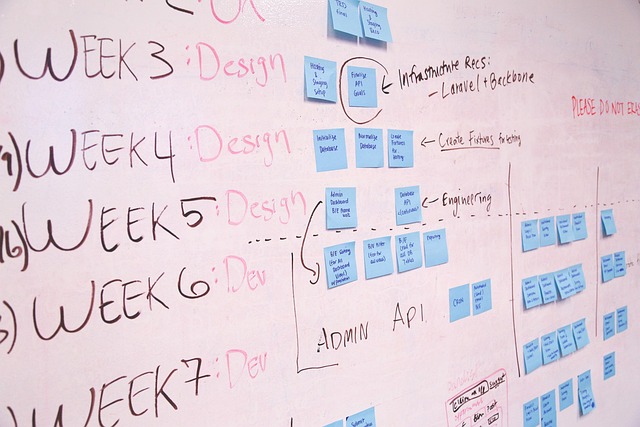
- Launch with a Core MVP First: Restrict launch features to core ordering, prescription intake, payment processing, and basic tracking. Delay complex features like AI suggestions or video chat until user demand justifies the investment.
- Leverage Cross-Platform Frameworks: Use Flutter or React Native to build for iOS and Android simultaneously from a single codebase, saving up to 40% in engineering expenses.
- Partner with Specialized Agencies: Working with experienced cross-border engineering teams reduces hourly rates without giving up domain knowledge in digital healthcare standards.
- Use Pre-Built Infrastructure APIs: Instead of building custom video engines, mapping tools, or messaging servers from scratch, integrate reliable third-party services like Twilio or Google Maps.
- Build Modular Architecture: Structure software microservices with clean decoupled interfaces. Modular systems allow developers to update or add specific modules in the future without rebuilding the entire app.
What common mistakes inflate pharmacy app costs?
Developing a medicine delivery application is complex, and avoiding predictable mistakes saves months of lost time and substantial financial capital.
Treating Regulatory Compliance as an Afterthought
Waiting until after code completion to check HIPAA or GDPR compliance often requires completely rebuilding database schemas and API protocols. Security and compliance architecture must be established on day one.
Underestimating Logistics and Last-Mile Complexity
Focusing entirely on user interfaces while ignoring route optimization, driver handoffs, package verification, and cold-chain conditions leads to missed deliveries, spoiled medicine, and high customer churn.
Designing Overly Complex Interfaces for Non-Tech Users
Healthcare apps serve diverse demographics, including elderly patients and busy pharmacists. Overloading screens with dense controls or tiny text increases order drops and support costs. Simple navigation and clear visual cues are essential.
Failing to Plan for Technical Scalability
Selecting cheap, unscalable hosting infrastructure or monolithic database designs causes system crashes as concurrent orders spike. Designing cloud infrastructure with autoscaling from the start prevents costly emergency re-architecting later.
Expert insights for a long-term competitive edge
Beyond the technical build, launching a sustainable medicine platform requires strategic focus on trust and user retention. In my 15 years working in mobile app development, particularly in the healthcare sector, I’ve observed that the most successful apps prioritize specific strategic areas.
Focus first on establishing deep local pharmacy partnerships. While scaling nationwide is an ambitious long-term goal, establishing strong community relationships and deep pharmacy integrations within a specific city builds high user trust and reliable order fulfillment faster than a widespread, generic rollout.
Prioritize features that drive long-term medication adherence. Features like automatic refill prompts, pill schedules, and simple educational resources transform a simple delivery utility into an indispensable daily health partner for chronic care patients.
Finally, rely on post-launch behavioral analytics. Tracking user drop-off points during prescription uploads, average pharmacy fulfillment speeds, and peak order times provides the clear data necessary to continuously refine UI workflows and operational routing.
Frequently asked questions
What is the average cost to build an on-demand medicine delivery app?
Building a basic MVP medicine delivery app costs between $30,000 and $60,000, while a fully featured, multi-platform solution with advanced integrations ranges from $70,000 to $150,000 or more. Final pricing depends heavily on custom feature requirements, compliance needs, and developer hourly rates.
What key features are essential for a pharmacy delivery platform?
Essential features include secure user registration, prescription image/OCR upload, search with dosage filters, integrated payment gateways, real-time GPS delivery tracking, inventory management for pharmacies, and an administrative control panel. Adding advanced capabilities like telehealth or auto-refills increases initial scope and cost.
How long does it take to develop a medicine delivery app from start to finish?
Development typically takes between 3 to 5 months for a simple Minimum Viable Product. A comprehensive, multi-platform platform featuring complex third-party API integrations, e-prescribing, and telehealth capabilities generally requires 6 to 12 months of development and testing.
What are the primary regulatory requirements for digital medicine delivery?
Apps operating in the US must comply with HIPAA rules for securing patient health data, while European apps must comply with GDPR guidelines. Platform operators must also verify local pharmacy licenses, ensure proper controlled substance dispensing compliance, and maintain secure audit trails for all health transactions.
Can I reduce development costs by starting with an MVP?
Yes, starting with a Minimum Viable Product allows you to validate your core business concept in the market using essential features at a fraction of the full development cost. Once you gather real user feedback and establish steady order volume, you can fund advanced features incrementally.
The online pharmacy sector offers significant opportunity for healthcare networks, independent pharmacies, and technology entrepreneurs. While the On Demand Medicine Delivery App Development Cost With Key Features represents a substantial investment, taking a structured approach—starting with a focused MVP, adhering to strict compliance standards, and selecting the right engineering team—ensures long-term technical and financial viability.